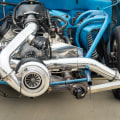
In the world of automotive enthusiasts, performance car enhancements represent a gateway to unlocking a vehicle's true potential. These modifications are not merely aesthetic upgrades; they are carefully engineered alterations designed to elevate a car's performance metrics, including speed, handling, and overall driving experience. From turbochargers to suspension upgrades, each enhancement plays a crucial role in transforming an ordinary vehicle into a high-performance machine. Understanding how vehicle performance can be improved through these modifications requires a closer look at the various components involved. For instance, enhancing the engine's output through aftermarket parts can lead to significant gains in horsepower and torque.
Similarly, upgrading the braking system ensures that increased speed is matched with improved stopping power, creating a balanced and safe driving experience. These enhancements not only cater to speed enthusiasts but also appeal to those seeking better handling and responsiveness on the road. Moreover, the realm of car modifications extends beyond mere performance boosts; it encompasses a holistic approach to vehicle dynamics. By optimizing weight distribution and aerodynamics, drivers can experience enhanced stability and control. As we delve deeper into the specifics of these enhancements, it becomes clear that each modification serves a purpose, contributing to an exhilarating driving experience that goes beyond factory specifications.
Types of Performance Car Enhancements
When it comes to performance car enhancements, there are several key types that can significantly improve a vehicle's overall performance.Understanding these options is essential for any car enthusiast looking to maximize their vehicle's capabilities.
Engine Tuning
is one of the most popular forms of performance enhancement. This process involves adjusting the engine's parameters to increase horsepower and torque. Techniques such as remapping the engine control unit (ECU) can lead to substantial gains in performance, often resulting in a more responsive throttle and improved fuel efficiency.Exhaust Systems
are another critical area for enhancement. Upgrading to a high-performance exhaust system can reduce back pressure, allowing the engine to breathe more freely.This not only enhances power output but also improves the sound of the vehicle, giving it a more aggressive tone that many enthusiasts crave.
Suspension Upgrades
play a vital role in handling and ride quality. By replacing stock components with performance-oriented parts such as coilovers or sway bars, drivers can achieve better cornering stability and reduced body roll. This leads to a more engaging driving experience, especially on winding roads or racetracks. Additionally, brake upgrades are essential for enhancing safety and performance. High-performance brake pads and rotors can provide better stopping power and heat dissipation, which is crucial during spirited driving or track days. Lastly, wheel and tire upgrades can dramatically affect a car's grip and handling characteristics.Wider tires with a stickier compound can improve traction, while lightweight wheels can reduce unsprung weight, enhancing acceleration and braking performance. In summary, exploring various types of performance car enhancements allows drivers to tailor their vehicles to their specific needs and preferences, ultimately leading to a more thrilling driving experience.
How Engine Modifications Improve Performance
When it comes to performance car enhancements, engine modifications play a pivotal role in elevating a vehicle's capabilities. By focusing on specific alterations, car enthusiasts can achieve remarkable increases in both horsepower and torque, leading to a more exhilarating driving experience.Remapping
the engine's electronic control unit (ECU) is one of the most common modifications. This process involves adjusting the fuel-to-air ratio and ignition timing, optimizing the engine's performance parameters. As a result, drivers often see a significant boost in horsepower, sometimes exceeding 20% or more, depending on the vehicle and existing modifications.Another popular enhancement is turbocharging.
This method forces more air into the engine, allowing for greater combustion and, consequently, more power. Turbochargers can dramatically increase both horsepower and torque, making them a favorite among performance enthusiasts. For instance, a turbocharged engine can produce up to 50% more power than its naturally aspirated counterpart.
Supercharging
is similar to turbocharging but operates differently. It uses a belt-driven compressor to force air into the engine, providing immediate power without the lag often associated with turbochargers.
This instant boost in torque is particularly beneficial for acceleration, making supercharged vehicles feel more responsive.In addition to these modifications, upgrading components such as exhaust systems, intake systems, and fuel injectors can further enhance performance. A high-flow exhaust system reduces back pressure, allowing for better airflow and improved engine efficiency. Similarly, a performance intake system can increase the volume of air entering the engine, contributing to higher power outputs.In summary, engine modifications like remapping, turbocharging, and supercharging are essential for anyone looking to maximize their vehicle's performance. These enhancements not only increase horsepower and torque but also provide a thrilling driving experience that showcases the true potential of performance cars.
The Role of Exhaust Systems in Performance Enhancements
Upgrading the exhaust system is one of the most effective ways to enhance a vehicle's performance.A performance exhaust system is designed to improve the flow of exhaust gases, which can lead to significant gains in engine efficiency and power output.
Benefits of Performance Exhaust Upgrades
- Increased Horsepower: By reducing back pressure, a performance exhaust allows the engine to expel exhaust gases more efficiently. This can result in noticeable increases in horsepower and torque, making your vehicle more responsive.
- Improved Fuel Efficiency: An optimized exhaust system can enhance fuel combustion, leading to better fuel economy. This means you can enjoy the thrill of driving without sacrificing efficiency.
- Enhanced Sound: One of the most appealing aspects of a performance exhaust system is the sound it produces. Many enthusiasts appreciate a deeper, more aggressive tone that signals increased power and performance.
- Weight Reduction: Performance exhaust systems are often made from lighter materials such as stainless steel or titanium, which can reduce overall vehicle weight and improve handling.
Not all exhaust systems are created equal; some are designed for maximum sound, while others focus on efficiency or a balance of both. Researching options and reading reviews can help you find the best fit for your performance goals.In conclusion, investing in a quality performance exhaust system not only enhances your vehicle's power and efficiency but also elevates your driving experience through improved sound. Whether you're looking for a subtle upgrade or a full race-ready setup, the right exhaust system can make all the difference in achieving optimal performance.
Suspension Upgrades and Handling Improvements
Upgrading a vehicle's suspension is one of the most effective performance car enhancements that can significantly improve both handling and ride quality. A well-tuned suspension system allows for better control during high-speed maneuvers, making it essential for performance driving.Types of Suspension Upgrades
- Coilovers: These adjustable systems allow drivers to modify ride height and damping settings, providing a customizable experience tailored to specific driving conditions.
- Sway Bars: Upgrading to thicker sway bars reduces body roll during cornering, enhancing stability and grip.
- Shock Absorbers: High-performance shocks improve the vehicle's response to road imperfections, ensuring better contact with the pavement.
For instance, coilovers not only lower the center of gravity but also allow for precise adjustments that can be fine-tuned for track days or daily driving. This adaptability is crucial for enthusiasts who demand versatility from their vehicles.
Handling Improvements
The primary goal of suspension upgrades is to enhance handling. A stiffer suspension setup can lead to improved cornering capabilities, allowing drivers to take turns at higher speeds without losing traction. Additionally, a well-balanced suspension system minimizes understeer and oversteer, providing a more predictable driving experience.
Ride Quality Enhancements
While performance is key, ride quality should not be overlooked.
Many modern suspension upgrades are designed to strike a balance between performance and comfort. For example, adjustable dampers can soften the ride during everyday use while firming up for spirited driving. This duality ensures that drivers do not have to sacrifice comfort for performance.In conclusion, suspension upgrades are vital performance car enhancements that significantly improve handling and ride quality. By investing in these upgrades, drivers can enjoy a more engaging and controlled driving experience, whether on the track or the road.
Tires and Their Impact on Performance
When it comes to performance car enhancements, the selection of tires plays a crucial role in maximizing a vehicle's capabilities.Performance tires are specifically designed to provide superior grip and traction, which are essential for high-speed driving and cornering stability.
Performance tires
differ from standard tires in several key aspects:- Tread Design: Performance tires often feature a more aggressive tread pattern that enhances contact with the road, allowing for better grip during acceleration and braking.
- Rubber Composition: The rubber used in performance tires is typically softer, providing increased friction and improved handling characteristics.
- Sidewall Stiffness: A stiffer sidewall helps maintain tire shape during high-speed maneuvers, reducing flex and improving responsiveness.
By selecting high-quality performance tires tailored to specific driving needs, car enthusiasts can experience significant improvements in grip, traction, and handling dynamics, ultimately transforming their driving experience.
The Importance of Aerodynamics in Performance Cars
Aerodynamics plays a crucial role in the performance of high-speed vehicles. By optimizing the shape and design of a car, aerodynamic enhancements can significantly reduce drag and increase downforce, which are essential for achieving superior stability and speed.Drag reduction
is vital for performance cars as it directly impacts fuel efficiency and top speed. When a vehicle moves through the air, it encounters resistance known as drag. This resistance can slow the car down and require more power to maintain speed.Enhancements such as streamlined body shapes, smooth undercarriages, and strategically placed spoilers can help minimize this drag. For instance, a well-designed front splitter can redirect airflow around the vehicle, reducing turbulence and allowing for smoother passage through the air.On the other hand, downforce improvements are equally important for maintaining traction at high speeds. Downforce is the aerodynamic force that pushes the car down onto the road, increasing tire grip and stability during cornering. Features like rear wings, diffusers, and canards are designed to create additional downforce by manipulating airflow.
For example, a rear wing generates lift in a downward direction, enhancing grip on the rear tires and allowing for faster cornering without losing control.Incorporating these aerodynamic modifications not only enhances performance but also contributes to overall safety. A vehicle that maintains better contact with the road is less likely to experience skidding or loss of control during high-speed maneuvers.In summary, performance car enhancements focused on aerodynamics are essential for any serious automotive enthusiast looking to improve their vehicle's capabilities. By reducing drag and increasing downforce, these modifications lead to improved speed, stability, and safety on the road or track.
Performance Car Enhancements: Safety Considerations
When it comes to performance car enhancements, the thrill of increased speed and power often takes center stage. However, it is crucial to consider the safety implications that accompany these modifications.Enhancing a vehicle's performance can lead to a significant increase in speed, which necessitates a corresponding upgrade in safety features to ensure that drivers remain protected on the road.One of the primary safety considerations is the vehicle's braking system. As performance enhancements boost acceleration, they can also lead to longer stopping distances if the brakes are not upgraded accordingly. Therefore, investing in high-performance brake pads, rotors, and calipers is essential for maintaining control during high-speed maneuvers.Additionally, enhanced safety features such as advanced traction control systems and stability management can help mitigate the risks associated with increased power. These systems work by monitoring wheel slip and adjusting engine power or applying brakes to maintain traction, especially during cornering or adverse weather conditions.
- Suspension Upgrades: A well-tuned suspension system not only improves handling but also enhances ride quality and stability, which are critical for safe driving at high speeds.
- Tire Selection: Performance tires designed for better grip can significantly improve a vehicle's handling characteristics, reducing the likelihood of skidding or losing control.
- Roll Cages: For those who take their performance cars to the track, installing a roll cage can provide additional protection in the event of a rollover accident.
While it may be tempting to push the limits of speed and power, ensuring that your vehicle is equipped with the necessary safety enhancements will not only protect you but also enhance your overall driving experience. By prioritizing safety alongside performance upgrades, drivers can enjoy the thrill of their enhanced vehicles while minimizing risks on the road.
Common Myths About Performance Car Enhancements
When it comes to performance car enhancements, there are numerous myths that can cloud the judgment of car enthusiasts and potential modifiers. Understanding these misconceptions is crucial for making informed decisions about vehicle modifications.- Myth 1: All modifications void the warranty. Many believe that any modification will automatically void a vehicle's warranty. While it's true that some modifications can affect warranty coverage, many manufacturers allow certain enhancements, especially if they are installed by certified professionals.
Always check with your dealer before proceeding.
- Myth 2: Performance enhancements are only for racing. Another common misconception is that performance enhancements are solely for those who participate in racing. In reality, many modifications can improve everyday driving experiences, such as better handling and increased fuel efficiency.
- Myth 3: More horsepower means better performance. While increasing horsepower can enhance a vehicle's speed, it doesn't always equate to better overall performance. Factors like weight distribution, suspension tuning, and tire quality play significant roles in how a car handles on the road.
- Myth 4: All aftermarket parts are inferior to OEM parts. This is a widespread belief, but many aftermarket parts are designed to meet or exceed OEM specifications. It's essential to research and choose reputable brands to ensure quality and reliability.
- Myth 5: Performance tuning is too complicated for the average driver. While some tuning processes can be complex, many modern vehicles come with user-friendly tuning options that allow drivers to make adjustments without extensive mechanical knowledge.
Additionally, professional tuners can assist in optimizing performance safely and effectively.
Conclusion: The Future of Performance Car Enhancements
In conclusion, performance car enhancements play a pivotal role in elevating a vehicle's capabilities, transforming standard models into high-performance machines. Throughout this article, we explored various enhancements such as engine tuning, exhaust upgrades, and suspension modifications, each contributing uniquely to improved speed, handling, and overall driving experience.As we look to the future, several trends are emerging in the realm of performance car enhancements:- Electrification: The rise of electric vehicles (EVs) is reshaping the landscape of performance enhancements. Manufacturers are increasingly focusing on electric powertrains that deliver instant torque and impressive acceleration.
- Smart Technology: Advanced technologies such as adaptive suspension systems and dynamic traction control are becoming standard in performance cars, allowing for real-time adjustments that enhance driving dynamics.
- Sustainability: As environmental concerns grow, there is a shift towards sustainable performance enhancements.
This includes lightweight materials and eco-friendly tuning options that maintain performance while reducing carbon footprints.