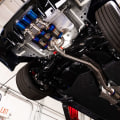
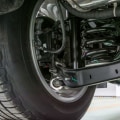
Suspension tuning is a critical aspect of performance car enhancements that directly influences a vehicle's handling and cornering capabilities. At its core, suspension tuning involves adjusting various components of a vehicle's suspension system, including springs, dampers, and anti-roll bars, to optimize the car's performance on the road or track. This process is essential for achieving a balance between comfort and control, allowing drivers to experience enhanced stability and responsiveness during dynamic driving conditions. When properly tuned, a vehicle's suspension can significantly improve its handling characteristics. This means that the car will respond more predictably to steering inputs, allowing for smoother transitions through corners and better overall maneuverability.
For instance, a stiffer suspension setup can reduce body roll during cornering, enabling the tires to maintain better contact with the road surface. This increased grip not only enhances the driving experience but also contributes to safer handling at higher speeds. Moreover, cornering abilities are greatly affected by how well the suspension is tuned. A well-balanced suspension system can help distribute weight evenly across all four tires during turns, minimizing understeer or oversteer tendencies. This balance is crucial for performance-oriented vehicles where precision and control are paramount.
By investing time and resources into suspension tuning, enthusiasts can unlock their vehicle's full potential, transforming it into a machine that excels in both everyday driving and competitive environments.
The Basics of Vehicle Suspension Systems
Understanding vehicle suspension systems is essential for any car enthusiast looking to enhance their vehicle's performance. The suspension system is responsible for maintaining tire contact with the road, providing stability, and ensuring a comfortable ride. There are several types of suspension systems, each with its unique characteristics and benefits.- MacPherson Strut: This is one of the most common suspension designs found in modern vehicles. It combines a shock absorber and a coil spring into a single unit, allowing for a compact design.
The MacPherson strut is known for its simplicity and cost-effectiveness, making it popular among manufacturers.
- Double Wishbone: This type of suspension features two arms (or wishbones) that connect the wheel hub to the vehicle's chassis. The double wishbone design allows for better handling and cornering capabilities, as it can maintain optimal tire contact during dynamic driving conditions.
- Multi-Link: Multi-link suspensions use multiple arms to connect the wheel hub to the chassis. This design offers superior handling and ride quality by allowing for more precise control of wheel movement. It is often found in high-performance vehicles.
Key components include:
- Shock Absorbers: These dampen the impact of road irregularities and help maintain tire contact with the road surface.
- Coil Springs: Springs support the weight of the vehicle and absorb shocks from bumps and dips in the road.
- Control Arms: These connect the wheel hub to the vehicle's frame and allow for controlled movement during suspension travel.
- Sway Bars: Also known as anti-roll bars, these help reduce body roll during cornering, enhancing stability.
How Suspension Affects Handling and Cornering
The suspension system of a vehicle plays a crucial role in determining its overall handling and cornering performance. By effectively managing the forces acting on the vehicle during dynamic maneuvers, suspension tuning can significantly enhance vehicle dynamics.At its core, the suspension system is designed to absorb shocks from the road while maintaining tire contact with the surface. This contact is essential for optimal grip, which directly influences how well a car can navigate corners.A well-tuned suspension allows for better weight distribution during turns, reducing body roll and improving stability.
Key Suspension Characteristics
- Spring Rate: The stiffness of the springs affects how much weight the suspension can support without compressing. A higher spring rate can improve cornering by reducing body roll, but it may also lead to a harsher ride.
- Damping: The shock absorbers control the rate at which the springs compress and rebound. Proper damping ensures that the tires remain in contact with the road, enhancing grip and responsiveness.
- Alignment: Adjustments to camber, toe, and caster angles can optimize tire contact with the road during cornering, improving handling precision.
Therefore, performance car enhancements often involve a comprehensive approach that considers both track performance and everyday drivability.In summary, effective suspension tuning is vital for improving a vehicle's handling and cornering capabilities. By understanding how different suspension characteristics interact with vehicle dynamics, drivers can achieve a more responsive and enjoyable driving experience.
Key Factors in Suspension Tuning
When it comes to suspension tuning, several key factors play a crucial role in enhancing a vehicle's handling and cornering abilities. Understanding these factors can significantly impact the performance of your car, especially for enthusiasts looking to optimize their ride.Spring Rates
One of the primary components of suspension tuning is the spring rate. This refers to the stiffness of the springs used in the suspension system.A higher spring rate generally results in less body roll during cornering, allowing for improved stability and responsiveness. However, excessively stiff springs can lead to a harsh ride quality. Therefore, finding the right balance is essential. For performance applications, many drivers opt for adjustable coilovers that allow them to fine-tune spring rates based on driving conditions.
Dampers
Dampers, or shock absorbers, are another critical element in suspension tuning.They control the rate at which the suspension compresses and rebounds, directly affecting how a vehicle handles bumps and corners. Adjustable dampers enable drivers to modify compression and rebound settings, allowing for a tailored driving experience. Softer settings may enhance comfort on rough roads, while firmer settings can improve handling on smooth tracks.
Alignment Settings
Finally, alignment settings are vital for achieving optimal tire contact with the road. Proper alignment ensures that tires wear evenly and maintain maximum grip during cornering.Key alignment parameters include camber, caster, and toe angles. Adjusting these angles can significantly influence how a car responds to steering inputs and how well it maintains traction through turns. For instance, a slight negative camber can enhance cornering grip but may reduce straight-line stability. In conclusion, effective suspension tuning involves a careful consideration of spring rates, dampers, and alignment settings. By understanding and adjusting these factors, drivers can achieve significant improvements in their vehicle's handling and cornering capabilities, ultimately leading to a more enjoyable driving experience.
Performance Car Enhancements Through Suspension Tuning
When it comes to performance car enhancements, few modifications yield as significant an impact as suspension tuning.By fine-tuning the suspension system, drivers can experience a remarkable transformation in their vehicle's handling and cornering abilities. This section delves into the specific enhancements that suspension tuning can provide, focusing on improved grip, stability, and responsiveness.
Enhanced Grip
One of the primary benefits of suspension tuning is the enhancement of tire grip. A well-tuned suspension allows for optimal weight distribution across all four tires, ensuring that they maintain contact with the road surface during aggressive maneuvers. This increased grip translates to better acceleration out of corners and improved braking performance, allowing drivers to push their vehicles to the limit with confidence.Improved Stability
Stability is crucial for high-performance driving, especially when navigating tight corners or uneven surfaces.Suspension tuning can significantly reduce body roll and pitch, which are common issues in stock suspension systems. By adjusting components such as dampers and sway bars, drivers can achieve a more planted feel, resulting in a stable ride that inspires trust at high speeds.
Responsive Handling
A well-tuned suspension system enhances a vehicle's responsiveness, allowing for quicker steering inputs and more precise control. This responsiveness is achieved through adjustments to spring rates and damping settings, which can be tailored to suit individual driving styles and conditions. As a result, drivers will notice a marked improvement in how their car reacts to steering commands, making cornering smoother and more enjoyable.- Increased Cornering Speed: With better grip and stability, drivers can take corners at higher speeds without losing control.
- Customizability: Suspension tuning offers the flexibility to adjust settings based on personal preferences or specific driving conditions.
- Long-term Benefits: Investing in suspension tuning not only enhances performance but also contributes to the longevity of other vehicle components by reducing wear and tear.
By focusing on grip, stability, and responsiveness, drivers can unlock their vehicle's full potential on both the track and the road.
Real-World Examples of Suspension Tuning Success Stories
Suspension tuning has proven to be a game-changer for many performance vehicles, enhancing their handling and cornering capabilities significantly. Here are some notable success stories that illustrate the tangible benefits of suspension modifications.Case Study 1: The BMW M3
The BMW M3 is renowned for its performance, but a dedicated owner decided to take it a step further by investing in a custom suspension setup. By replacing the factory springs and dampers with adjustable coilovers, the owner was able to lower the vehicle's center of gravity and fine-tune the damping settings. The result? A noticeable reduction in body roll during cornering and improved responsiveness on twisty roads.Track times improved by over 5 seconds per lap, showcasing the effectiveness of tailored suspension tuning.
Case Study 2: The Ford Mustang GT
A Ford Mustang GT owner sought to enhance their vehicle's performance for both street and track use. After installing a set of performance shocks and sway bars, they reported a dramatic increase in cornering stability. The car felt more planted during aggressive maneuvers, allowing for higher speeds through turns without sacrificing control. This tuning not only improved lap times but also made daily driving more enjoyable due to the enhanced feedback from the road.Case Study 3: The Subaru WRX
The Subaru WRX is known for its all-wheel-drive capabilities, but one enthusiast took it further by upgrading to a fully adjustable suspension system.This modification allowed for precise adjustments to ride height and damping settings, tailored specifically for rally-style driving. The improvements were evident; the vehicle exhibited superior grip on gravel roads and sharper turn-in response on asphalt, leading to an overall enhancement in performance during competitive events.These case studies highlight how suspension tuning can lead to significant improvements in handling and cornering abilities across various vehicles. By investing in quality components and expert tuning, drivers can unlock their car's full potential, making every drive an exhilarating experience.
Common Myths About Suspension Tuning
When it comes to suspension tuning, several myths and misconceptions can cloud the understanding of its true benefits. Addressing these misunderstandings is crucial for anyone looking to enhance their vehicle's performance.- Myth 1: Suspension tuning is only for racing cars. Many believe that only professional race cars require suspension tuning.
In reality, any performance vehicle can benefit from tailored suspension settings, improving handling and comfort on both the track and the street.
- Myth 2: Stiffer suspension always means better handling. While a stiffer suspension can improve responsiveness, it can also lead to a harsh ride. The key is finding the right balance between stiffness and comfort, which varies based on driving style and conditions.
- Myth 3: Suspension tuning is too complicated for the average driver. Although it may seem daunting, many aftermarket solutions come with user-friendly adjustments. Enthusiasts can start with basic modifications and gradually learn more about advanced tuning techniques.
- Myth 4: All suspension upgrades are the same. Not all suspension components are created equal. Upgrades can range from simple spring changes to complete coilover systems, each offering different benefits.
Understanding these differences is essential for making informed decisions.
- Myth 5: Suspension tuning is only about lowering a car. While lowering a vehicle can enhance its appearance and lower its center of gravity, suspension tuning encompasses much more, including adjusting damping rates, spring rates, and alignment settings to optimize performance.
DIY vs. Professional Suspension Tuning: What You Need to Know
When it comes to suspension tuning, car enthusiasts often face a choice between DIY suspension tuning and seeking out professional tuning services. Each approach has its own set of advantages and disadvantages that can significantly impact the performance of your vehicle.DIY Suspension Tuning
For those who enjoy hands-on projects, DIY suspension tuning can be an appealing option.It allows car owners to customize their vehicle's handling according to personal preferences and driving styles. Here are some pros and cons:
- Pros:
- Cost-effective: DIY tuning can save money on labor costs associated with professional services.
- Personalization: You have complete control over the tuning process, allowing for tailored adjustments.
- Learning experience: Engaging in DIY projects can enhance your understanding of vehicle dynamics.
- Cons:
- Time-consuming: Tuning suspension can be a lengthy process, especially for beginners.
- Lack of expertise: Without proper knowledge, you may inadvertently make adjustments that negatively affect handling.
- Limited tools: Professional tuners have access to specialized equipment that may not be available to DIY enthusiasts.
Professional Tuning Services
If you're looking for precision and expertise, opting for professional tuning services might be the best route. Here’s what you should consider:- Pros:
- Expertise: Professionals have extensive knowledge and experience, ensuring optimal adjustments for your specific vehicle.
- Advanced technology: Access to high-tech equipment allows for precise measurements and adjustments.
- Time-efficient: Professionals can complete the job faster than most DIY enthusiasts.
- Cons:
- Cost: Professional services can be expensive, depending on the complexity of the tuning required.
- Lack of control: You may have less input in the tuning process compared to a DIY approach.
Conclusion: The Importance of Suspension Tuning for Performance Cars
In conclusion, suspension tuning is an essential component of performance car enhancements that significantly impacts a vehicle's handling and cornering capabilities.Throughout this article, we have explored how fine-tuning suspension systems can lead to improved stability, responsiveness, and overall driving experience.By adjusting factors such as spring rates, damping settings, and ride height, drivers can tailor their vehicles to meet specific performance goals. This customization allows for:
- Enhanced grip: A well-tuned suspension maximizes tire contact with the road, improving traction during acceleration and cornering.
- Reduced body roll: Proper suspension settings minimize body lean in corners, allowing for sharper turns and increased confidence behind the wheel.
- Improved feedback: A tuned suspension provides better road feel, enabling drivers to make more informed decisions while navigating challenging terrains.
Whether on the track or the open road, a properly tuned suspension can transform the driving experience, making it more exhilarating and rewarding.