In the world of automotive enthusiasts, performance car enhancements represent a thrilling journey towards unlocking a vehicle's full potential. These enhancements can range from simple modifications to complex upgrades, all aimed at improving speed, handling, and overall driving experience. As car manufacturers continue to push the boundaries of technology, the demand for personalized performance upgrades has surged, leading to a vibrant aftermarket industry where engine tuning plays a pivotal role.At the heart of many performance upgrades lies the expertise of an engine tuner. These skilled professionals specialize in optimizing engine performance through various methods, including recalibrating engine management systems, adjusting fuel mixtures, and enhancing airflow.
Their work not only boosts horsepower and torque but also ensures that vehicles operate efficiently and reliably. Understanding the significance of engine tuning is essential for anyone looking to elevate their car's performance.The allure of car performance upgrades extends beyond mere speed; it encompasses a holistic approach to vehicle enhancement. From suspension modifications to exhaust system improvements, each upgrade contributes to a more exhilarating driving experience. As we delve deeper into the role of engine tuners in this dynamic landscape, it becomes clear that their expertise is crucial for achieving the desired balance between power and control, making them indispensable allies for any performance-minded driver.
What is an Engine Tuner?
An engine tuner is a specialized professional who focuses on optimizing the performance of a vehicle's engine.Their expertise lies in understanding the intricate workings of internal combustion engines and how various modifications can enhance overall performance. Engine tuners often possess a background in automotive engineering or a related field, which equips them with the necessary skills to analyze and adjust engine parameters effectively.Typically, an engine tuner will have extensive experience with various tuning software and hardware tools, allowing them to make precise adjustments to fuel maps, ignition timing, and other critical engine settings. This technical knowledge is essential for achieving the desired performance enhancements while ensuring the engine operates efficiently and reliably.
Qualifications and Skills
- Technical Knowledge: A deep understanding of engine mechanics, thermodynamics, and fluid dynamics is crucial for effective tuning.
- Experience with Tuning Software: Proficiency in using software like ECU tuning programs enables tuners to modify engine parameters accurately.
- Problem-Solving Skills: The ability to diagnose issues and implement solutions is vital for optimizing performance.
- Attention to Detail: Small adjustments can lead to significant changes in performance; thus, precision is key.
Their qualifications and hands-on experience make them indispensable in the world of performance car enhancements.
The Importance of Engine Tuning in Performance Enhancements
Engine tuning plays a pivotal role in performance car enhancements, serving as the bridge between a factory vehicle and a high-performance machine. By optimizing the engine's parameters, tuners can unlock significant improvements in various aspects of vehicle performance.Importance of Engine Tuning
- Maximized Horsepower: One of the primary goals of engine tuning is to increase horsepower. By adjusting fuel maps, ignition timing, and air-fuel ratios, tuners can ensure that the engine operates at its peak potential.
- Enhanced Torque: Torque is crucial for acceleration and overall driving experience. Proper tuning can lead to a noticeable increase in torque, allowing for quicker starts and improved responsiveness.
- Improved Fuel Efficiency: Contrary to popular belief, engine tuning can also enhance fuel efficiency.
By optimizing the combustion process, tuners can help drivers achieve better mileage without sacrificing performance.
Benefits of Engine Tuning
- Customization: Every car is unique, and tuning allows for personalized adjustments that cater to specific driving styles and preferences.
- Increased Reliability: A well-tuned engine often runs smoother and more reliably, reducing the likelihood of mechanical failures.
- Better Throttle Response: Tuning can enhance throttle response, making the car feel more agile and responsive during acceleration.
Common Techniques Used by Engine Tuners
Engine tuners employ a variety of performance tuning methods to enhance the capabilities of a vehicle. Each technique is designed to optimize engine performance, efficiency, and overall driving experience.Here are some of the most common techniques used by engine tuners:
- ECU Remapping: One of the most popular methods, ECU remapping involves modifying the software in the engine control unit (ECU). This process allows tuners to adjust fuel maps, ignition timing, and boost levels, resulting in improved horsepower and torque. By fine-tuning these parameters, tuners can maximize engine performance while maintaining reliability.
- Dyno Tuning: Utilizing a dynamometer (dyno), tuners can measure a vehicle's power output and make precise adjustments. This method provides real-time data on how modifications affect performance.
Dyno tuning is essential for achieving optimal results, as it allows for adjustments based on actual performance metrics rather than theoretical calculations.
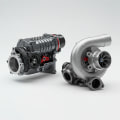
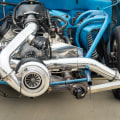
- Hardware Modifications: In addition to software changes, hardware upgrades play a crucial role in performance car enhancements. Common modifications include upgrading the exhaust system, installing high-performance air intakes, and enhancing turbochargers or superchargers. These changes improve airflow and combustion efficiency, leading to significant power gains.
- Fuel System Upgrades: To support increased power levels, tuners often upgrade fuel injectors and pumps. This ensures that the engine receives an adequate supply of fuel under high-performance conditions.
Proper fuel management is vital for maintaining engine health and achieving desired performance outcomes.
- Suspension and Drivetrain Tuning: While primarily focused on the engine, tuners also consider suspension and drivetrain modifications. Enhancing these components can improve handling and traction, allowing drivers to fully utilize the increased power from engine tuning.
How Engine Tuners Assess Vehicle Performance Needs
When it comes to performance car enhancements, the role of an engine tuner is pivotal in assessing a vehicle's current performance and identifying areas for improvement. This process begins with a comprehensive evaluation of the vehicle's existing systems, including the engine, transmission, and exhaust.Initial Assessment
- Diagnostic Tools: Engine tuners utilize advanced diagnostic tools to gather data on the vehicle's performance metrics.
This includes monitoring parameters such as air-fuel ratios, boost levels, and ignition timing.
- Test Drives: A test drive allows tuners to experience the vehicle's performance firsthand. They assess acceleration, handling, and overall responsiveness to identify any immediate issues or areas for enhancement.
Data Analysis
After collecting data, tuners analyze the information to pinpoint specific performance deficiencies. This analysis often involves:
- Comparative Analysis: Comparing the vehicle's performance against manufacturer specifications and similar models helps identify gaps in performance.
- Performance Benchmarks: Establishing benchmarks based on the owner's goals—whether it's increased horsepower, improved fuel efficiency, or enhanced drivability—guides the tuning process.
Recommendations for Enhancements
Once the assessment is complete, tuners provide tailored recommendations for performance enhancements. These may include:
- Tuning Software Adjustments: Modifying engine control unit (ECU) settings to optimize performance.
- Hardware Upgrades: Suggesting upgrades such as high-performance air intakes, exhaust systems, or turbochargers that align with the desired performance outcomes.
- Ongoing Monitoring: Recommending regular follow-up assessments to ensure that enhancements are effective and to make further adjustments as needed.
By understanding how engine tuners evaluate vehicle performance needs, car enthusiasts can make informed decisions about their tuning projects.
The Role of Technology in Engine Tuning
In the realm of performance car enhancements, technology plays a pivotal role in the art and science of engine tuning. The evolution of engine tuning has been significantly influenced by advancements in software and diagnostic tools, enabling tuners to achieve unprecedented levels of precision and performance.Software for Engine Tuners
- Tuning Software: Modern tuners rely on sophisticated software platforms that allow them to modify engine parameters with remarkable accuracy. Programs like HP Tuners, EcuTek, and Cobb Tuning provide tuners with the ability to adjust fuel maps, ignition timing, and boost levels, tailoring the engine's performance to specific driving conditions or preferences.
- Data Logging: Advanced data logging capabilities enable tuners to monitor real-time engine performance metrics. This data is crucial for making informed adjustments and ensuring that the vehicle operates within safe parameters while maximizing power output.
Tools Used by Tuners
- Diagnostic Equipment: Tools such as OBD-II scanners and wideband oxygen sensors are essential for diagnosing issues and fine-tuning performance.
These devices provide valuable insights into engine health and efficiency, allowing tuners to make necessary adjustments.
- Dyno Testing: A dynamometer (dyno) is a critical tool for any serious tuner. It measures the power output of an engine under various conditions, providing a clear picture of how modifications impact performance. This allows tuners to validate their changes and ensure optimal results.
Engine Tuning vs.
Other Performance EnhancementsWhen it comes to performance car enhancements, engine tuning is often viewed as a cornerstone modification. However, it is essential to understand how it compares to other performance upgrades, such as suspension enhancements and exhaust modifications.
Engine Tuning
Engine tuning primarily focuses on optimizing the vehicle's engine performance. This can involve adjusting fuel maps, ignition timing, and air-fuel ratios to achieve better power output and efficiency. A well-tuned engine can significantly enhance acceleration, throttle response, and overall driving experience.Suspension Upgrades
On the other hand, suspension upgrades aim to improve handling and ride quality.By replacing stock components with performance shocks, springs, and sway bars, drivers can achieve better cornering stability and reduced body roll. While these modifications do not directly increase horsepower, they enhance the car's ability to utilize that power effectively.
Exhaust Modifications
Exhaust modifications, such as installing a high-performance exhaust system, can also play a crucial role in enhancing a vehicle's performance. By improving exhaust flow, these upgrades can help reduce back pressure and allow the engine to breathe more freely. This can lead to noticeable gains in horsepower and torque.Comparison of Performance Upgrades
- Engine Tuning: Focuses on maximizing engine output and efficiency.
- Suspension Upgrades: Enhances handling and stability without directly increasing power.
- Exhaust Modifications: Improves engine breathing for better performance metrics.
Each type of enhancement serves a unique purpose, and understanding their roles can help car enthusiasts create a well-rounded performance package that maximizes both power and handling.
Frequently Asked Questions About Engine Tuning and Performance Enhancements
When it comes to performance car enhancements, many enthusiasts have questions about the intricacies of engine tuning. Here are some frequently asked questions that can help clarify common misconceptions and provide valuable insights.- What is engine tuning?
Engine tuning refers to the process of modifying a vehicle's engine management system to optimize performance. This can involve adjusting fuel maps, ignition timing, and other parameters to enhance power output and efficiency. - How does engine tuning affect my car's performance?
Proper tuning can significantly improve your car's horsepower, torque, and overall drivability. It allows the engine to operate more efficiently, which can lead to better acceleration and responsiveness. - Is engine tuning safe?
When performed by a qualified professional, engine tuning is generally safe.However, improper tuning can lead to engine damage or reduced reliability. It's crucial to work with experienced tuners who understand your specific vehicle and its capabilities.
- What are the common types of performance enhancements?
Common enhancements include upgrading the exhaust system, installing a cold air intake, and remapping the ECU (Engine Control Unit). Each of these modifications can contribute to improved performance when done correctly. - Will tuning void my warranty?
Modifying your vehicle can potentially void certain aspects of your warranty. It's essential to check with your manufacturer or dealership before proceeding with any performance enhancements.
Whether you're looking for a slight boost or a complete overhaul, knowing what to expect will ensure a smoother tuning experience.
Conclusion: The Impact of Engine Tuners on Performance Cars
In summary, the role of engine tuners in the realm of performance car enhancements is both critical and multifaceted. These skilled professionals possess the expertise to unlock a vehicle's full potential, transforming standard models into high-performance machines that deliver exhilarating driving experiences.Throughout this article, we have explored several key aspects of engine tuning:- Customization: Engine tuners tailor modifications to meet specific performance goals, whether it’s increasing horsepower, improving torque, or enhancing fuel efficiency.
- Advanced Technology: Utilizing state-of-the-art diagnostic tools and software, tuners can analyze engine performance data to make informed adjustments that optimize vehicle dynamics.
- Safety and Reliability: A professional engine tuner not only focuses on performance but also ensures that modifications do not compromise the vehicle's safety or reliability.
- Regulatory Compliance: Tuners are knowledgeable about local emissions regulations and can help ensure that enhancements comply with legal standards.
Ultimately, investing in expert tuning can lead to significant improvements in both performance and enjoyment on the road.