In the world of automotive enthusiasts, performance car enhancements have become a popular avenue for those looking to elevate their driving experience. These modifications can range from simple upgrades like high-performance air filters to more complex alterations such as turbocharging or suspension upgrades. The allure of these enhancements lies in their potential to significantly boost a vehicle's power, handling, and overall performance, making them a tempting option for many car owners. However, while the benefits of performance upgrades are often highlighted—such as improved acceleration, better cornering capabilities, and enhanced driving pleasure—it's crucial to consider the potential downsides that accompany these modifications. Not all enhancements are created equal, and some may lead to unintended consequences that could affect not only the vehicle's performance but also its reliability and longevity. As we delve deeper into the realm of car modifications, it becomes essential to weigh the pros and cons carefully.
Understanding the implications of each enhancement can help car enthusiasts make informed decisions that align with their goals while minimizing risks. In this article, we will explore the various aspects of performance car enhancements, setting the stage for a comprehensive discussion on their potential drawbacks.
What Are Performance Car Enhancements?
Performance car enhancements refer to modifications made to vehicles aimed at improving their speed, handling, and overall driving experience. These enhancements can range from simple tweaks to extensive overhauls, depending on the desired outcome and the vehicle's original specifications.Understanding the different types of car modifications is essential for any enthusiast looking to boost their vehicle's performance. Here are some common categories:- Engine Modifications: Upgrades such as turbochargers, superchargers, and performance exhaust systems fall under this category.
These enhancements increase horsepower and torque, allowing for faster acceleration and improved engine efficiency.
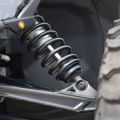
- Suspension Upgrades: Modifying the suspension system can significantly enhance a car's handling capabilities. Options include coilovers, sway bars, and upgraded shock absorbers that improve stability during cornering.
- Brake Enhancements: Performance brakes are crucial for high-speed driving. Upgrading to larger rotors, high-performance brake pads, and stainless steel lines can improve stopping power and reduce brake fade.
- Tires and Wheels: The right tires can make a substantial difference in traction and handling. Performance tires designed for specific conditions can enhance grip, while lightweight wheels can reduce unsprung weight for better responsiveness.
- Aerodynamic Modifications: Adding spoilers, diffusers, or body kits can improve a vehicle's aerodynamics, reducing drag and increasing downforce at high speeds.
When considering modifications, it's important to evaluate how each change aligns with your driving goals and the intended use of the vehicle.
Benefits of Performance Car Enhancements
When considering performance car enhancements, it's essential to recognize the numerous benefits they can bring to your driving experience. These modifications not only improve the vehicle's performance but also enhance its overall appeal and functionality. One of the primary advantages of car modifications is the significant boost in power and acceleration. Upgrading components such as the exhaust system, air intake, or engine tuning can lead to a more responsive throttle and improved horsepower. This means that your car can achieve higher speeds more quickly, making it a thrilling ride for enthusiasts. Additionally, performance car enhancements often lead to better handling and stability.By installing upgraded suspension systems or performance tires, drivers can experience improved cornering capabilities and a smoother ride. This not only enhances safety but also makes driving more enjoyable, especially on winding roads or racetracks. Another benefit is the potential for increased fuel efficiency. While it may seem counterintuitive, certain modifications can optimize engine performance, leading to better fuel economy under specific driving conditions. This is particularly true for cars that have been tuned for efficiency rather than just raw power. Moreover, upgrading your car can significantly increase its resale value.
A well-modified vehicle that has been enhanced with quality parts can attract buyers looking for performance and style. This investment in performance car enhancements can pay off when it comes time to sell or trade in your vehicle. Lastly, there’s an undeniable sense of pride that comes with customizing your vehicle. Personalizing your car allows you to express your individuality and passion for automotive performance. Whether it’s through aesthetic upgrades or performance tweaks, these enhancements create a unique driving experience tailored to your preferences. In summary, the benefits of performance car enhancements are multifaceted, ranging from improved power and handling to increased resale value and personal satisfaction.
Understanding these advantages is crucial before exploring any potential downsides associated with such modifications.
Potential Downsides of Performance Car Enhancements
While performance car enhancements can significantly improve a vehicle's speed, handling, and overall driving experience, they also come with several potential downsides that every car enthusiast should consider.Cost Implications
One of the most immediate concerns with performance upgrades is the cost. High-quality parts and professional installation can be expensive. Additionally, ongoing maintenance and potential repairs can add to the financial burden. It's essential to budget not only for the initial enhancements but also for future expenses that may arise due to increased wear and tear on the vehicle.Reliability Issues
Another significant downside is the potential for reliability issues.Modifying a car's engine or suspension can lead to unforeseen complications. For instance, while a turbocharger may boost power, it can also strain other components, leading to premature failure. This can result in costly repairs and downtime, negating some of the benefits gained from the enhancements.
Legal Implications
Many states have strict regulations regarding vehicle modifications. Certain performance car enhancements, such as aftermarket exhaust systems or engine tuning, may not comply with local emissions laws.This could lead to fines or even the inability to register your vehicle. It's crucial to research local laws before proceeding with any modifications.
Insurance Considerations
Insurance companies often view modified vehicles as higher risk. This perception can lead to increased premiums or even difficulty in obtaining coverage. Some insurers may refuse to cover cars with significant modifications altogether, leaving owners vulnerable in case of an accident.Impact on Resale Value
Lastly, while some modifications can enhance a car's appeal, others may deter potential buyers.A heavily modified vehicle might not attract the same market as a stock version, potentially leading to a lower resale value. It's essential to weigh the personal enjoyment of enhancements against their impact on future sales.In conclusion, while performance car enhancements can provide thrilling benefits, they come with risks that should not be overlooked. From financial implications to legal concerns and reliability issues, it's vital for enthusiasts to approach modifications with caution and thorough research.
Impact on Vehicle Warranty and Insurance
When considering performance car enhancements, one of the most critical factors to evaluate is their potential impact on your vehicle's warranty and insurance coverage. Many car manufacturers have specific guidelines regarding modifications, and deviating from these can lead to significant consequences.Warranty Implications
Most new vehicles come with a manufacturer’s warranty that covers repairs and replacements for a specified period.However, performance enhancements can void this warranty if they are deemed to have caused damage or if they alter the vehicle's original specifications. For instance:
- Engine Modifications: Upgrading the engine or adding turbochargers may lead to warranty issues if the manufacturer can prove that these changes caused a failure.
- Suspension Changes: Altering the suspension system can affect the vehicle's handling and safety, potentially voiding related warranty claims.
- Aftermarket Parts: Installing non-OEM parts can also lead to warranty disputes, especially if those parts are linked to any failures.
Insurance Considerations
In addition to warranty concerns, insurance implications must be taken into account. Many insurance policies require you to disclose any modifications made to your vehicle. Failing to do so can result in denied claims or increased premiums.Here are some key points to consider:
- Increased Premiums: Performance modifications often lead to higher insurance costs due to the increased risk associated with modified vehicles.
- Coverage Limitations: Some insurers may limit coverage for modified vehicles or exclude certain types of enhancements altogether.
- Documentation: Keeping detailed records of all modifications and their costs is essential for ensuring proper coverage and for potential claims.
Legal Considerations for Performance Modifications
When considering performance car enhancements, it is essential to understand the legal considerations that accompany such modifications. Many car enthusiasts are unaware that certain modifications can lead to legal complications, particularly concerning emissions and safety regulations.Emissions Regulations
: In the United States, vehicles must comply with federal and state emissions standards. Modifications that affect the engine or exhaust system can potentially violate these regulations.For instance, removing or altering catalytic converters is illegal in many states, as it increases harmful emissions. Before making any changes, it is crucial to check local laws regarding emissions compliance.
Local Laws and Ordinances
: Different states and municipalities have varying laws regarding vehicle modifications. Some areas may have strict regulations on noise levels, which can be impacted by aftermarket exhaust systems. Additionally, modifications that alter a vehicle's height or width may require special permits or could be outright prohibited.Always consult local ordinances to ensure compliance.
Insurance Implications
: Performance enhancements can also affect your insurance policy. Many insurance companies require you to disclose any modifications made to your vehicle. Failure to do so could result in denied claims or increased premiums. It’s advisable to inform your insurer about any changes to avoid potential issues down the line.Vehicle Inspections
: In some states, modified vehicles must pass specific inspections to ensure they meet safety and emissions standards.This process can be time-consuming and may require additional costs for repairs or adjustments to meet compliance. In summary, while performance car enhancements can significantly improve your vehicle's capabilities, they come with a set of legal responsibilities. Understanding the regulations surrounding emissions, local laws, insurance implications, and inspection requirements is vital for any car enthusiast looking to modify their vehicle responsibly.
Common Misconceptions About Performance Enhancements
When it comes to performance car enhancements, there are several misconceptions that can lead to confusion among car enthusiasts and potential buyers. Understanding these myths is crucial for making informed decisions about modifications.- Myth 1: All performance upgrades are illegal. Many believe that any modification to a vehicle's performance is against the law. While some enhancements may violate local emissions regulations or noise ordinances, many upgrades are perfectly legal and can even improve safety and efficiency.
- Myth 2: Performance enhancements always void warranties. While certain modifications can affect a manufacturer’s warranty, not all do.
It's essential to check the specific terms of your warranty and consult with your dealer before making changes.
- Myth 3: Performance upgrades guarantee better speed. While many enhancements aim to increase speed, they do not automatically translate to better performance. Factors such as vehicle weight, aerodynamics, and driving conditions play significant roles in overall speed.
- Myth 4: All modifications are expensive. While some high-end upgrades can be costly, there are numerous affordable options available that can enhance performance without breaking the bank. Simple changes like air filters or exhaust systems can yield noticeable improvements at a lower cost.
For instance, many upgrades not only enhance speed but also improve handling and fuel efficiency, providing a well-rounded driving experience.Ultimately, separating fact from fiction regarding performance upgrades empowers drivers to enjoy their vehicles to the fullest while ensuring compliance with legal standards and maintaining vehicle integrity.
FAQs About Performance Car Enhancements
When considering performance car enhancements, many enthusiasts have questions about the implications and potential issues that may arise. Here are some frequently asked questions that can help clarify common concerns:- What are the most common performance car enhancements?
Popular modifications include cold air intakes, exhaust systems, ECU tuning, and suspension upgrades. Each of these can significantly improve your vehicle's performance, but they also come with their own set of considerations. - Will performance enhancements void my warranty?
Yes, many manufacturers will void warranties if they determine that modifications have caused damage. It's essential to check your warranty terms before proceeding with any upgrades. - How do I troubleshoot issues after installing enhancements?
If you experience problems post-installation, start by checking for any error codes using an OBD-II scanner.Additionally, ensure all components are properly installed and compatible with your vehicle.
- Are there any legal concerns with performance modifications?
Some modifications may not comply with local emissions regulations or noise ordinances. Always verify local laws to avoid fines or penalties. - Can performance enhancements affect fuel economy?
While some upgrades can improve fuel efficiency, others may lead to increased consumption due to higher performance demands. It's crucial to research how specific modifications will impact your vehicle's fuel economy.
Conclusion: Weighing the Pros and Cons of Performance Car Enhancements
In conclusion, the decision to install performance car enhancements is not one to be taken lightly.While these modifications can significantly improve your vehicle's speed, handling, and overall driving experience, they also come with a set of potential downsides that every car enthusiast should consider.
Benefits Recap:
- Increased Power: Enhancements such as turbochargers and performance chips can lead to substantial gains in horsepower and torque.
- Improved Handling: Upgraded suspension systems can enhance cornering ability and overall stability.
- Enhanced Aesthetics: Many modifications also improve the visual appeal of your vehicle, making it stand out on the road.
Potential Downsides:
- Warranty Concerns: Many manufacturers void warranties when performance modifications are made, which can lead to costly repairs down the line.
- Insurance Implications: Modifications may increase insurance premiums or complicate claims in the event of an accident.
- Reliability Issues: Some enhancements can strain the engine or other components, leading to potential reliability problems.
- Legal Restrictions: Certain modifications may not comply with local emissions regulations or noise ordinances, resulting in fines or legal issues.