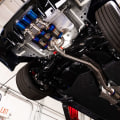
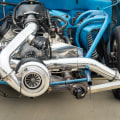
In the world of automotive enthusiasts, performance car enhancements represent a thrilling journey towards unlocking a vehicle's full potential. These enhancements can range from simple modifications to complex upgrades, all aimed at improving speed, handling, and overall driving experience. Among the various upgrades available, one of the most impactful is the fuel system upgrade, which plays a crucial role in optimizing engine performance. The fuel system is responsible for delivering the right amount of fuel to the engine, ensuring it operates efficiently and effectively. When considering car modifications, upgrading this system can lead to significant improvements in horsepower and torque, as well as enhanced throttle response.
By investing in high-performance fuel injectors, pumps, and filters, drivers can achieve a more precise fuel-air mixture, which is essential for maximizing engine output. Moreover, a well-tuned fuel system can also contribute to better fuel efficiency and reduced emissions. This dual benefit not only enhances performance but also aligns with modern environmental standards. As we delve deeper into the specific advantages of upgrading a car's fuel system, it becomes clear that these enhancements are not merely about speed; they are about creating a more responsive and enjoyable driving experience.
The Role of the Fuel System in Vehicle Performance
The fuel system of a vehicle plays a pivotal role in determining its overall performance. It is responsible for delivering the right amount of fuel to the engine, ensuring optimal combustion and efficiency.Understanding how this system functions is essential for any car enthusiast looking to enhance their vehicle's capabilities.At its core, the fuel system consists of several key components, including the fuel tank, fuel pump, fuel injectors, and the fuel filter. Each part works in harmony to ensure that fuel is delivered efficiently and effectively:
- Fuel Tank: Stores the fuel until it is needed by the engine.
- Fuel Pump: Moves fuel from the tank to the engine at the required pressure.
- Fuel Injectors: Atomize the fuel and deliver it into the combustion chamber for efficient burning.
- Fuel Filter: Cleans the fuel before it reaches the engine, preventing contaminants from causing damage.
- Increased Power: Enhanced fuel delivery can lead to improved horsepower and torque.
- Better Fuel Efficiency: Optimized systems can improve miles per gallon (MPG) by ensuring complete combustion.
- Improved Throttle Response: A more responsive fuel system allows for quicker acceleration and better overall driving experience.
Key Benefits of Upgrading Your Fuel System
Upgrading your car's fuel system is a crucial step in the journey of performance car enhancements.This modification not only boosts your vehicle's capabilities but also brings several key benefits that can significantly enhance your driving experience.Improved Engine Performance One of the most notable advantages of a fuel system upgrade is the improved engine performance. A high-performance fuel pump and injectors can deliver fuel more efficiently, ensuring that your engine receives the optimal amount of fuel at the right time. This leads to better combustion, which translates into increased horsepower and torque. As a result, you can expect quicker acceleration and a more responsive throttle, making your driving experience more exhilarating.Enhanced Fuel Efficiency In addition to boosting power, upgrading your fuel system can also lead to enhanced fuel efficiency.
While it may seem counterintuitive, a well-tuned fuel system allows for more precise fuel delivery, reducing waste and improving overall mileage. This means you can enjoy the thrill of performance without sacrificing too much at the pump. A more efficient fuel system can help you achieve a better balance between power and economy, making it a smart investment for any performance enthusiast.Long-Term Reliability Another benefit worth mentioning is the long-term reliability of your engine. Upgrading components such as the fuel pump and injectors can reduce strain on your engine by ensuring it operates within its optimal parameters.
This not only extends the life of your engine but also minimizes the risk of costly repairs down the line. In summary, upgrading your car's fuel system as part of performance car enhancements offers significant benefits including improved engine performance, enhanced fuel efficiency, and long-term reliability. These upgrades are essential for anyone looking to maximize their vehicle's potential while enjoying a more thrilling driving experience.
Types of Fuel System Upgrades
Upgrading a car's fuel system is a crucial step in enhancing its overall performance. There are several types of fuel system upgrades that can significantly improve your vehicle's efficiency and power output. Below, we explore the most common options available for performance car enthusiasts.- Fuel Injectors: Upgrading to high-performance fuel injectors can provide a more precise fuel delivery, which is essential for maximizing engine performance.
These injectors are designed to handle higher flow rates and can improve throttle response and overall power.
- Fuel Pumps: A high-flow fuel pump is vital for ensuring that your engine receives the necessary amount of fuel, especially when modifications increase power demands. Upgrading to a performance fuel pump can prevent fuel starvation during high RPMs, allowing for consistent power delivery.
- Fuel Pressure Regulators: A performance fuel pressure regulator helps maintain optimal fuel pressure, ensuring that the engine receives the right amount of fuel under various operating conditions. This upgrade can enhance engine efficiency and responsiveness.
- Fuel Lines: Replacing stock fuel lines with larger diameter or high-performance lines can reduce restrictions and improve fuel flow. This is particularly important for vehicles with significant power upgrades, where increased fuel delivery is necessary.
- Performance Tuning: After upgrading the fuel system components, it’s essential to perform a proper tune.
This ensures that the engine management system is calibrated to take full advantage of the new upgrades, optimizing air-fuel ratios and ignition timing for maximum performance.
How Fuel System Upgrades Impact Engine Tuning
Upgrading a car's fuel system is a critical step in enhancing overall performance, particularly when it comes to engine tuning. A well-optimized fuel system ensures that the engine receives the right amount of fuel at the right time, which is essential for achieving maximum power and efficiency.One of the primary benefits of a fuel system upgrade is improved fuel mapping. This process involves recalibrating the engine's fuel delivery to match the increased air intake and other modifications that often accompany performance enhancements.By optimizing fuel mapping, tuners can ensure that the engine runs smoothly across various RPM ranges, reducing the risk of lean or rich conditions that can lead to engine damage.
Enhanced Performance Tuning Benefits
When a vehicle's fuel system is upgraded, it allows for more precise control over the air-fuel mixture. This precision is crucial for performance tuning, as it enables tuners to extract more horsepower and torque from the engine. For instance, high-flow fuel injectors can deliver more fuel than stock injectors, which is particularly beneficial for turbocharged or supercharged engines that require additional fuel to maintain optimal performance under boost.- Increased Power Output: Upgraded fuel systems can support higher power levels by ensuring adequate fuel supply during high-demand situations.
- Improved Throttle Response: A well-tuned fuel system enhances throttle response, making the vehicle feel more agile and responsive.
- Better Fuel Efficiency: Surprisingly, a properly tuned fuel system can also lead to better fuel economy, as it allows for more efficient combustion.
In summary, investing in a quality fuel system upgrade is essential for anyone serious about performance car enhancements, as it lays the groundwork for effective engine tuning and maximized vehicle performance.
Common Misconceptions About Fuel System Upgrades
When considering performance car enhancements, many enthusiasts encounter a variety of myths regarding fuel system upgrades. Understanding these misconceptions is crucial for making informed decisions about modifications.- Myth 1: Fuel System Upgrades Are Only for Racing Cars
Many believe that only race cars require enhanced fuel systems. In reality, any performance vehicle can benefit from a better fuel delivery system, improving efficiency and power output. - Myth 2: Upgrading the Fuel System Is Too Expensive
While some upgrades can be costly, there are various options available to fit different budgets. Simple modifications, like upgrading the fuel pump or injectors, can yield significant performance gains without breaking the bank. - Myth 3: A Fuel System Upgrade Will Void Your Warranty
This is often overstated.While some modifications may affect warranty coverage, many manufacturers allow for certain upgrades. Always check with your dealer to understand what modifications are permissible.
- Myth 4: More Fuel Equals More Power
It's a common misconception that simply increasing fuel flow will enhance performance. However, an optimized fuel-to-air ratio is essential. Upgrading the fuel system should be part of a holistic approach that includes tuning and other enhancements. - Myth 5: All Fuel System Components Are Interchangeable
Not all components are created equal.Using subpar or incompatible parts can lead to poor performance or even damage to the engine. It's vital to choose high-quality components designed for your specific vehicle.
Cost vs. Benefit Analysis of Fuel System Upgrades
When considering performance car enhancements, one of the most significant upgrades is the fuel system.However, before diving into modifications, it's essential to conduct a thorough cost vs. benefit analysis to ensure that the investment aligns with your performance goals.
Cost of Fuel Upgrades
- Fuel Pumps: Upgrading to a high-performance fuel pump can range from $100 to $500, depending on the make and model of your vehicle.
- Injectors: High-flow fuel injectors typically cost between $200 and $800, significantly impacting your engine's performance.
- Fuel Lines and Rails: Custom fuel lines and rails can add another $100 to $300 to your total upgrade costs.
- Tuning: After upgrading the fuel system, professional tuning is often necessary, which can cost an additional $300 to $1,000.
Value of Performance Enhancements
The benefits of upgrading your fuel system extend beyond mere horsepower gains. A well-optimized fuel system can lead to:
- Improved Throttle Response: Enhanced fuel delivery allows for quicker acceleration and a more responsive driving experience.
- Increased Fuel Efficiency: While it may seem counterintuitive, a properly tuned fuel system can improve overall fuel economy by ensuring optimal combustion.
- Longevity of Engine Components: A balanced fuel system reduces strain on engine components, potentially extending their lifespan.
ROI on Car Modifications
The return on investment (ROI) for upgrading your car's fuel system can be substantial. While the initial costs may seem high, the long-term benefits often outweigh these expenses.
For instance, improved performance can enhance your vehicle's resale value, making it a worthwhile investment for enthusiasts looking to maximize their car's potential.Ultimately, understanding the costs associated with fuel upgrades and weighing them against the tangible benefits will empower you to make informed decisions about your performance car enhancements.
Real-World Examples of Successful Fuel System Upgrades
Upgrading a car's fuel system can lead to significant performance improvements, as evidenced by numerous case studies and success stories from automotive enthusiasts and professionals alike. Here are a few notable examples:- Case Study: 2015 Ford Mustang GT
A performance enthusiast upgraded the fuel injectors and fuel pump in their Mustang GT to support a supercharger installation. The result was a remarkable increase in horsepower, from 400 to over 600, showcasing how a well-optimized fuel system can handle increased air intake and boost pressure effectively. - Success Story: Subaru WRX STI
After installing a high-flow fuel pump and larger injectors, a Subaru WRX STI owner reported improved throttle response and acceleration. The modifications allowed the engine to run at optimal air-fuel ratios, enhancing overall performance during both daily driving and track days. - Example: Honda Civic Si
A dedicated Civic Si driver upgraded to a performance fuel rail and high-capacity injectors.This upgrade not only improved fuel delivery but also allowed for tuning adjustments that maximized power output. The driver experienced a noticeable difference in torque and horsepower, making the car more enjoyable to drive.
Conclusion: Maximizing Your Vehicle's Potential Through Fuel System Enhancements
In conclusion, upgrading your car's fuel system is a pivotal step in achieving performance car enhancements that can significantly elevate your vehicle's capabilities.As we have explored, a well-optimized fuel system not only improves engine efficiency but also enhances overall performance, responsiveness, and reliability.By investing in components such as high-flow fuel injectors, upgraded fuel pumps, and performance fuel filters, you can ensure that your engine receives the optimal amount of fuel necessary for peak performance. This is particularly crucial when other modifications, such as turbochargers or superchargers, are introduced, as they demand more fuel to maintain the ideal air-fuel ratio.
- Improved Power Output: A refined fuel system allows for better combustion, leading to increased horsepower and torque.
- Enhanced Throttle Response: Upgraded systems provide quicker fuel delivery, resulting in a more responsive driving experience.
- Better Fuel Efficiency: Contrary to common belief, a properly tuned fuel system can lead to improved mileage under certain driving conditions.
- Increased Engine Longevity: By ensuring that your engine runs smoothly with the right fuel mixture, you can reduce wear and tear over time.
This investment will not only maximize your vehicle's potential but also ensure that it performs at its best for years to come.