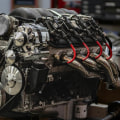
Performance car enhancements refer to a variety of modifications and upgrades designed to improve a vehicle's speed, handling, and overall driving experience. These enhancements can range from simple tweaks, such as upgrading the air intake system, to more complex modifications like installing a turbocharger or a complete suspension overhaul. The primary goal of these enhancements is to unlock the full potential of a car, allowing enthusiasts to enjoy a more exhilarating ride. There are several types of performance car enhancements available, each targeting different aspects of vehicle performance.
Engine modifications
, such as remapping the ECU or adding high-performance exhaust systems, can significantly increase horsepower and torque.Suspension upgrades improve handling and stability, while brake enhancements ensure that increased speed is matched with superior stopping power. Additionally, wheel and tire upgrades can enhance grip and traction, making for a safer and more responsive driving experience. The benefits of performance car enhancements extend beyond mere speed. Many drivers report improved fuel efficiency due to better engine performance and aerodynamics. Furthermore, these modifications can enhance the overall aesthetic appeal of a vehicle, making it stand out on the road.
However, while the allure of increased performance is enticing, it is crucial to consider the safety implications that come with these enhancements. Understanding how each modification affects your vehicle's dynamics is essential for ensuring both performance and safety on the road.
The Importance of Safety in Performance Modifications
When it comes to performance car enhancements, the thrill of increased speed and improved handling can often overshadow the essential aspect of safety. However, neglecting safety considerations during modifications can lead to serious consequences, not only for the driver but also for passengers and other road users.Understanding the Risks
- Increased Speed: Enhancements that boost engine power or reduce weight can significantly increase a vehicle's speed. This requires an understanding of how these changes affect braking distances and overall control.
- Suspension Modifications: Upgrading suspension systems can improve handling but may also alter the vehicle's center of gravity, leading to a higher risk of rollovers if not done correctly.
- Tire Selection: Performance tires are crucial for maximizing grip, but choosing the wrong type or size can compromise safety, especially in adverse weather conditions.
Why Safety Matters
Prioritizing safety in performance upgrades is not just about adhering to regulations; it’s about ensuring that modifications enhance the driving experience without compromising integrity.
Here are some reasons why safety should be at the forefront:
- Legal Compliance: Many regions have strict laws regarding vehicle modifications. Ensuring that your enhancements comply with these regulations can prevent legal issues and fines.
- Insurance Implications: Modifications can affect your insurance policy. Failing to disclose changes may result in denied claims in case of an accident.
- Long-Term Reliability: Safety-focused modifications often lead to better long-term performance and reliability, reducing the likelihood of mechanical failures that could endanger lives.
Common Performance Enhancements and Their Safety Implications
When considering performance car enhancements, it's crucial to understand the potential safety implications associated with each modification.Below are some common enhancements and their respective safety concerns:
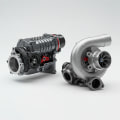
- Turbochargers: While turbochargers can significantly increase engine power, they also elevate the risk of engine overheating and component failure. Proper tuning and cooling systems are essential to mitigate these risks.
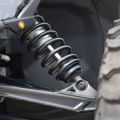
- Suspension Upgrades: Enhancing your car's suspension can improve handling and stability. However, if not installed correctly, it can lead to a harsh ride, reduced traction, and increased wear on tires. It's vital to ensure that the suspension is compatible with your vehicle's weight and intended use.
- Brake System Modifications: Upgrading brakes is often necessary when increasing horsepower.
However, using incompatible brake components can lead to brake fade or failure. Always choose high-quality parts that match your vehicle's performance capabilities.
- Exhaust System Changes: Modifying the exhaust system can improve engine efficiency but may also affect emissions compliance. Additionally, improper installation can lead to exhaust leaks, which pose health risks due to carbon monoxide exposure.
- ECU Remapping: Adjusting the engine control unit (ECU) can optimize performance but may also void warranties and lead to reliability issues if not done by a professional. It's essential to ensure that any remapping is done with a focus on maintaining engine longevity.
It is crucial to conduct thorough research and consult with professionals before making modifications to ensure that safety is not compromised.
Legal Considerations and Compliance
When considering performance car enhancements, it is crucial to understand the legal considerations and compliance requirements that may affect your modifications. Each state and municipality may have different regulations regarding vehicle modifications, which can impact both safety and legality.Legal Issues with Car Modifications
- Emissions Standards: Many regions enforce strict emissions regulations. Upgrading your vehicle's engine or exhaust system may lead to non-compliance with these standards, resulting in fines or the inability to pass inspections.
- Noise Regulations: Performance enhancements often increase engine noise. Be aware of local noise ordinances that could classify your vehicle as a nuisance, leading to potential legal action.
- Insurance Implications: Modifying your car can affect your insurance policy.
Some insurers may require you to disclose modifications, and failure to do so could result in denied claims.
- Manufacturer Specifications: Ensure that any enhancements comply with the original manufacturer’s specifications. This can help maintain warranty coverage and ensure safety.
- Professional Installation: Consider having performance upgrades installed by certified professionals who understand local laws and can ensure compliance with safety standards.
- Documentation: Keep records of all modifications, including receipts and installation details. This documentation can be vital for legal compliance and insurance purposes.
Failing to adhere to these regulations can not only lead to fines but also compromise the safety of your vehicle on the road.In summary, while enhancing your vehicle's performance can be exciting, it is essential to navigate the legal landscape carefully. By understanding the implications of your modifications and ensuring compliance with local laws, you can enjoy your performance upgrades without facing unnecessary legal issues.
Choosing Quality Parts and Professional Installation
When it comes to performance car enhancements, the quality of the parts you choose can significantly impact both the performance and safety of your vehicle. Opting for high-quality components ensures that your modifications will not only enhance speed and handling but also maintain the structural integrity of your car. Inferior parts may lead to failures that could compromise safety, resulting in accidents or costly repairs.One of the first steps in selecting quality parts is to research reputable brands known for their reliability and performance.Look for parts that have been tested and reviewed by other car enthusiasts or professionals. Additionally, consider components that come with warranties, as this can be an indicator of the manufacturer's confidence in their product.
Benefits of Professional Installation
While some car enthusiasts may feel confident in their ability to install performance upgrades themselves, professional installation offers numerous benefits that can enhance safety. Trained technicians possess the expertise to ensure that all components are installed correctly, minimizing the risk of errors that could lead to mechanical failures. Furthermore, professionals often have access to specialized tools and equipment that are necessary for precise installations.Another advantage of professional installation is the ability to receive guidance on choosing the right parts for your specific vehicle model and performance goals.
Experts can help you navigate through various options, ensuring compatibility and optimal performance. This tailored approach not only enhances your car's capabilities but also contributes to a safer driving experience.In summary, when considering performance car enhancements, prioritize quality parts and professional installation. By doing so, you can enjoy improved performance while ensuring that your vehicle remains safe and reliable on the road.
Testing and Tuning After Enhancements
After installing performance car enhancements, it is crucial to conduct thorough testing and tuning to ensure that your vehicle operates safely and effectively. Modifications can significantly alter the dynamics of your car, affecting everything from handling to braking performance.Testing Car After Modifications
- Initial Assessment: Begin with a comprehensive inspection of all installed components.
Check for any visible signs of wear or improper installation.
- Road Testing: Conduct a series of road tests in a controlled environment. Pay attention to how the car responds to acceleration, braking, and cornering.
- Data Logging: Utilize data logging tools to monitor engine performance metrics such as air-fuel ratio, boost levels, and exhaust temperatures. This data is invaluable for identifying potential issues.
Tuning for Safety After Upgrades
- ECU Recalibration: Many enhancements require recalibrating the engine control unit (ECU) to optimize performance and maintain safety. Ensure that the tuning is done by a professional who understands your specific modifications.
- Suspension Adjustments: Upgrades may affect your car's suspension geometry.
Adjustments may be necessary to maintain proper handling characteristics and ride quality.
- Brake System Evaluation: Enhanced power often necessitates improved braking systems. Evaluate whether your current brakes can handle the increased performance and upgrade if necessary.
Performance Testing for Modified Cars
- Dynamometer Testing: Consider using a dynamometer to measure horsepower and torque outputs. This will help you understand how your modifications have impacted performance.
- Track Days: Participating in track days can provide valuable insights into how your car performs under stress. Monitor tire wear, brake fade, and overall handling during these sessions.
- Feedback Loop: Gather feedback from experienced drivers or automotive professionals who can provide insights on any handling or performance issues that may arise post-modification.
Neglecting this step can lead to dangerous situations on the road, making it imperative to prioritize these processes after any modifications.
Maintaining Safety Post-Enhancement
After installing performance car enhancements, it is crucial to prioritize ongoing maintenance to ensure both the vehicle's performance and safety. Modifications can alter the dynamics of your car, making regular checks and adjustments essential.Regular Inspections
- Conduct routine inspections of all modified components, including the engine, suspension, and brakes. Look for any signs of wear or damage that could compromise safety.
- Pay special attention to brake systems, as enhanced performance can lead to increased wear. Ensure that brake pads and rotors are in good condition and replace them as needed.
- Check fluid levels regularly, including oil, coolant, and brake fluid.
Performance enhancements may require more frequent changes due to increased stress on the engine.
Tire Maintenance
- Monitor tire pressure and tread depth closely. Performance tires can wear out faster than standard tires, so regular checks are essential for maintaining grip and handling.
- Consider rotating your tires more frequently if you have made significant modifications that affect weight distribution or handling characteristics.
Alignment and Suspension Checks
- After any modification, especially those involving suspension changes, have a professional alignment performed. Misalignment can lead to uneven tire wear and compromised handling.
- Inspect suspension components for any signs of damage or fatigue. Upgraded parts may require different maintenance schedules than stock components.
Monitoring Performance Metrics
- Utilize performance monitoring tools to keep track of engine metrics such as temperature, pressure, and RPMs.
This data can help identify potential issues before they become serious problems.
- If you notice any unusual sounds or changes in performance, address them immediately to prevent further damage.
Frequently Asked Questions About Performance Car Enhancements and Safety
When considering performance car enhancements, safety should always be a top priority. Here are some frequently asked questions that can help clarify safety considerations:- What are the most common safety concerns with performance modifications?
Common concerns include increased speed leading to loss of control, inadequate braking systems, and potential engine overheating. Modifications can also affect the vehicle's stability and handling. - How do I ensure my modifications comply with local laws?
Before making any enhancements, check your local regulations regarding vehicle modifications.Some areas have strict laws about emissions and noise levels, which can affect your ability to legally drive your modified car.
- What safety features should I upgrade when enhancing performance?
Consider upgrading your brakes, suspension, and tires. These components are crucial for maintaining control and ensuring that your vehicle can handle the increased power and speed. - Are there specific performance enhancements that are safer than others?
Enhancements like cold air intakes or exhaust systems may improve performance without significantly impacting safety. However, modifications that increase horsepower should be approached with caution and paired with appropriate safety upgrades.
This ensures that all components are functioning correctly and safely, allowing you to enjoy your enhanced performance without compromising safety.
Conclusion: Prioritizing Safety in Performance Car Enhancements
In conclusion, when it comes to performance car enhancements, prioritizing safety is paramount. While the allure of increased speed and improved handling can be tempting, it is essential to consider the potential risks associated with modifications. Throughout this article, we have explored various aspects of performance enhancements, emphasizing that safety should never be compromised for the sake of performance. One of the key takeaways is the importance of selecting high-quality parts from reputable manufacturers.Substandard components
can lead to mechanical failures, which not only jeopardize your vehicle's performance but also pose serious safety risks on the road.Always ensure that any enhancements comply with local regulations and standards. Additionally, proper installation is crucial. Whether you are a DIY enthusiast or relying on a professional, ensuring that modifications are installed correctly can prevent accidents caused by faulty installations. Regular maintenance checks post-installation are also vital to ensure that all enhancements are functioning as intended. Moreover, understanding how performance enhancements affect your vehicle's dynamics is essential. Changes in power output, braking efficiency, and suspension can alter how your car handles in various conditions.
It’s advisable to undergo training or seek guidance on how to manage these changes effectively. Finally, always remember that safety gear such as helmets and harnesses can provide additional protection when pushing your vehicle to its limits. By keeping these considerations in mind, you can enjoy the benefits of performance car enhancements while minimizing risks and ensuring a safer driving experience.