In the world of automotive enthusiasts, performance car enhancements have become a significant focus for those looking to elevate their driving experience. These enhancements can range from simple modifications to complex upgrades, all aimed at improving a vehicle's speed, handling, and overall performance. As car technology evolves, so does the interest in DIY options that allow enthusiasts to take control of their vehicles' capabilities without relying solely on professional services. Understanding what constitutes performance enhancements is crucial for anyone looking to modify their car. These upgrades can include anything from engine tuning and exhaust modifications to suspension upgrades and weight reduction techniques.
Each enhancement serves a specific purpose, whether it’s increasing horsepower, improving fuel efficiency, or enhancing cornering stability. The growing community of DIYers has made it easier than ever to access information and resources that empower individuals to undertake these projects themselves. The benefits of performance upgrades extend beyond just improved speed; they can also lead to a more engaging driving experience and increased vehicle longevity. By investing time and effort into understanding and implementing these enhancements, car enthusiasts can create a personalized driving machine that reflects their unique style and performance goals. This article will delve into various DIY options for performance car enhancements, providing insights and practical tips for those eager to embark on this exciting journey.
Engine Modifications
When it comes to performance car enhancements, one of the most impactful areas to focus on is the engine.DIY engine modifications can significantly boost your vehicle's horsepower and torque, making your driving experience more exhilarating. Here are some popular options to consider:
Cold Air Intakes
A cold air intake system replaces your car's factory air intake, allowing for a greater volume of cooler air to enter the engine. Cooler air is denser and contains more oxygen, which can lead to improved combustion and increased power. Installation is typically straightforward, requiring basic tools and a few hours of your time.Performance Exhaust Systems
Upgrading to a performance exhaust system can enhance both the sound and efficiency of your engine.A less restrictive exhaust allows for better airflow, which can improve engine performance. Look for systems that are designed specifically for your make and model to ensure a proper fit.
ECU Tuning
ECU tuning involves modifying the software that controls your engine's performance parameters. By adjusting fuel maps, ignition timing, and other settings, you can unlock additional power from your existing setup. Many tuners offer DIY kits that allow you to reprogram your ECU using a laptop or handheld device.Additional Modifications
- High-Performance Spark Plugs: Upgrading to high-performance spark plugs can improve ignition efficiency and throttle response.
- Aftermarket Fuel Injectors: These can provide a more precise fuel delivery, enhancing overall engine performance.
- Lightweight Flywheel: Replacing your stock flywheel with a lightweight version can reduce rotational mass, allowing for quicker acceleration.
Always remember to research compatibility with your specific vehicle model and consult with professionals if needed to ensure optimal results.
Suspension Upgrades
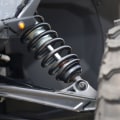
When it comes to performance car enhancements, upgrading your suspension is one of the most impactful modifications you can make. A well-tuned suspension not only improves handling but also enhances ride quality, making your driving experience more enjoyable and responsive.Coilover Kits
One popular DIY option for suspension upgrades is installing coilover kits. These kits allow you to adjust both the height and stiffness of your suspension, giving you the flexibility to tailor your car's handling characteristics to your driving style. Here are some benefits of coilovers:- Improved Handling: Coilovers provide better cornering stability and reduce body roll, allowing for sharper turns.
- Adjustable Ride Height: You can lower your car for a more aggressive stance or raise it for better clearance.
- Customizable Settings: Many coilover kits come with adjustable dampers, letting you fine-tune the ride quality.
Sway Bars
Another effective DIY enhancement is the installation of upgraded sway bars.These components help reduce body roll during cornering, which is crucial for maintaining control at high speeds. Consider the following advantages:
- Enhanced Stability: Stiffer sway bars improve the car's balance, especially during aggressive maneuvers.
- Better Traction: By minimizing body roll, sway bars help keep the tires in contact with the road, improving grip.
- Easy Installation: Most sway bar upgrades can be completed with basic tools and mechanical knowledge.
Brake System Enhancements
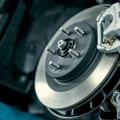
When it comes to performance car enhancements, upgrading your brake system is crucial for ensuring safety and maximizing your vehicle's capabilities, especially during high-speed driving.A well-functioning brake system not only improves stopping power but also enhances overall driving confidence.Here are some effective DIY brake upgrades that can significantly improve your braking performance:
- Brake Pads: Upgrading to high-performance brake pads can provide better grip and reduce brake fade. Look for pads made from materials like ceramic or semi-metallic compounds, which offer superior heat resistance and stopping power.
- Rotors: Consider installing slotted or drilled rotors. These designs help dissipate heat and gases generated during braking, leading to improved performance. Ensure that the rotors are compatible with your existing calipers.
- Calipers: Upgrading to larger or multi-piston calipers can enhance clamping force on the rotors, resulting in shorter stopping distances.
While this upgrade may require more extensive modifications, the performance benefits are substantial.
- Brake Lines: Replacing rubber brake lines with stainless steel braided lines can improve pedal feel and responsiveness. These lines resist expansion under pressure, providing a firmer brake pedal.
- Fluid Upgrade: Using high-performance brake fluid with a higher boiling point can prevent brake fade during intense driving conditions. Make sure to flush the system and replace the fluid regularly for optimal performance.
By investing time and effort into these DIY upgrades, you can significantly improve your vehicle's braking performance, ensuring a safer and more exhilarating driving experience.
Tire and Wheel Upgrades
When it comes to performance car enhancements, the significance of tires and wheels cannot be overstated. Upgrading these components can dramatically improve your vehicle's grip, traction, and overall handling, making them essential for any DIY enthusiast looking to enhance their ride.Selecting the Right Tires
The first step in your tire upgrade journey is selecting the right tires. Performance tires are designed with specialized tread patterns and rubber compounds that provide better grip on both dry and wet surfaces. Here are some key factors to consider:- Tread Design: Look for tires with a performance-oriented tread design that enhances contact with the road.
- Rubber Compound: Softer compounds offer better grip but may wear out faster, while harder compounds last longer but provide less traction.
- Size Matters: Ensure that the tire size matches your vehicle's specifications for optimal performance.
Upgrading to Lightweight Wheels
In addition to tires, upgrading to lightweight wheels can significantly impact your car's performance.Reducing unsprung weight improves acceleration, braking, and handling. Here’s what to keep in mind when selecting new wheels:
- Material: Consider wheels made from materials like aluminum or magnesium, which are lighter than traditional steel options.
- Design: Choose a wheel design that not only looks good but also minimizes weight without compromising strength.
- Fitment: Ensure that the new wheels fit your vehicle properly to avoid any issues with clearance or alignment.
Aerodynamic Modifications
When it comes to performance car enhancements, one of the most effective areas to focus on is aerodynamics.By making DIY aerodynamic modifications, you can significantly improve your vehicle's performance, especially at high speeds. Here are some popular options:
- Spoilers: Adding a rear spoiler can help create downforce, which keeps your car stable during high-speed maneuvers. You can easily find DIY kits or even create your own using lightweight materials like fiberglass or carbon fiber.
- Diffusers: A rear diffuser helps manage airflow under the car, reducing drag and increasing downforce. Building a custom diffuser can be a rewarding project that enhances both aesthetics and performance.
- Front Splitters: Installing a front splitter can improve the airflow around the front of your car, reducing lift and increasing grip.
This modification can be made from materials such as ABS plastic or aluminum for durability.
- Side Skirts: Adding side skirts can help streamline the airflow along the sides of your vehicle, minimizing turbulence and drag. These can be crafted from various materials and painted to match your car's color.
By investing time in these modifications, you can enjoy improved stability and speed on the road or track.
Electrical Enhancements
When it comes to performance car enhancements, electrical upgrades can significantly improve your vehicle's functionality and reliability. By focusing on the electrical systems, you can enhance visibility, optimize battery performance, and ensure that your car's electronics are up to par with your performance goals.Upgraded Lighting Systems
One of the most noticeable DIY electrical upgrades you can make is to your car's lighting system. Upgrading to LED headlights not only improves visibility at night but also consumes less power compared to traditional halogen bulbs. This means your battery will have more energy available for other performance systems.Additionally, consider installing high-performance fog lights or tail lights that enhance both safety and aesthetics.
Battery Optimizations
The battery is the heart of your vehicle's electrical system. Upgrading to a high-performance battery can provide better starting power and increased reliability, especially in high-demand situations. Look for batteries designed for performance applications, which often feature higher cold cranking amps (CCA) and faster recharge times.Performance Electrical Systems
Another area to consider is the installation of a performance alternator. A high-output alternator can keep up with the increased demand from upgraded audio systems, lighting, and other electronic accessories.This ensures that your vehicle's electrical system remains stable under load, preventing dimming lights or other electrical issues.
Enhancing Car Electronics
If you're looking to take your car's electronics to the next level, consider integrating a performance ECU (Engine Control Unit). This allows for better tuning options and can optimize engine performance based on your specific modifications. Additionally, installing a smart battery management system can help monitor battery health and performance, ensuring longevity and reliability.In conclusion, focusing on electrical enhancements is a smart way to boost your vehicle's performance while improving its overall reliability. From upgraded lighting systems to optimized batteries and advanced electronics, these DIY options can make a significant difference in how your car performs on the road.Common DIY Mistakes to Avoid
When it comes to performance car enhancements, DIY enthusiasts often find themselves making mistakes that can lead to subpar results or even damage to their vehicles.Here are some common pitfalls to avoid:
- Skipping Research: One of the biggest mistakes is diving into modifications without adequate research. Understanding how each enhancement affects your car's performance and compatibility with existing systems is crucial.
- Ignoring Quality Parts: Opting for cheap or low-quality parts can save money initially but may lead to failures or safety issues down the line. Always invest in reputable brands and components.
- Overestimating Skills: Many DIYers overestimate their mechanical skills. If a modification seems too complex, it’s wise to consult a professional or seek help from experienced friends.
- Neglecting Safety Precautions: Modifying a car can involve risks, especially when working with the engine or electrical systems.
Always wear appropriate safety gear and ensure your workspace is safe.
- Failing to Document Changes: Keeping a detailed record of modifications helps in troubleshooting future issues and can be beneficial for resale value.
Conclusion: Elevate Your Ride Responsibly
In conclusion, performance car enhancements offer an exciting opportunity to elevate your vehicle's capabilities and personalize your driving experience. However, it is crucial to approach these modifications with a sense of responsibility and awareness of the potential implications. Throughout this article, we explored various DIY options that can significantly improve your car's performance, from upgrading the air intake system to enhancing the exhaust flow. Each modification not only contributes to better horsepower and torque but also allows you to connect more deeply with your vehicle. As you consider these enhancements, keep in mind the following key points:- Research Thoroughly: Before diving into any modifications, ensure you understand how each change affects your car's overall performance and reliability.
- Stay Within Legal Limits: Be aware of local regulations regarding vehicle modifications to avoid fines or issues with insurance.
- Prioritize Safety: Enhancements should not compromise the safety of your vehicle.
Always consider how changes may affect handling and braking.
- Document Changes: Keep a record of all modifications for future reference, especially if you plan to sell the vehicle or need to address warranty issues.