When it comes to enhancing the performance of your vehicle, understanding the various options available is crucial.
Performance car enhancements
can significantly improve your car's speed, handling, and overall driving experience. Among the most popular methods are bolt-on enhancements and custom enhancements, each offering unique benefits and considerations. This section will provide a foundational understanding of these two categories, setting the stage for a deeper exploration of their differences.Bolt-on enhancements
refer to modifications that can be easily installed without extensive alterations to the vehicle's existing systems.These upgrades typically include components like exhaust systems, air intakes, and performance chips that are designed to fit specific makes and models. The appeal of bolt-on enhancements lies in their simplicity and the ability to revert to stock configurations if desired. They are often favored by enthusiasts looking for a straightforward way to boost performance without diving into complex modifications. On the other hand, custom enhancements involve more intricate modifications tailored specifically to the individual vehicle and the owner's performance goals. This could include custom tuning of the engine, bespoke suspension setups, or even complete overhauls of the drivetrain.
While these enhancements can yield significant performance gains, they often require a deeper understanding of automotive mechanics and may involve a higher investment in both time and money. As we delve further into this topic, we will explore how each type of enhancement can impact your vehicle's performance and what factors you should consider when deciding which route to take.
What Are Performance Car Enhancements?
Performance car enhancements refer to modifications made to a vehicle to improve its overall performance, handling, and aesthetic appeal. These enhancements can significantly alter how a car drives, responds, and looks, making them popular among car enthusiasts and racers alike.The primary purpose of performance car enhancements is to increase the vehicle's power output, improve fuel efficiency, enhance handling capabilities, and provide a more engaging driving experience. By upgrading various components of the car, drivers can achieve better acceleration, higher top speeds, and improved cornering abilities.Types of Performance Enhancements
- Engine Modifications: Upgrades such as turbochargers, superchargers, and performance exhaust systems can significantly boost horsepower and torque.
- Suspension Upgrades: Enhanced suspension systems improve handling and ride quality.
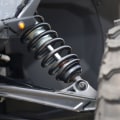
Options include coilovers, sway bars, and upgraded shock absorbers.
- Brake Enhancements: Performance brake pads, rotors, and calipers provide better stopping power and reduce brake fade during intense driving conditions.
- Tires: High-performance tires offer improved grip and stability, which are crucial for maximizing the benefits of other enhancements.
- Aerodynamic Modifications: Spoilers, splitters, and diffusers help reduce drag and increase downforce, enhancing stability at high speeds.
Understanding Bolt-On Enhancements
Bolt-on enhancements are modifications that can be easily installed on a vehicle without the need for extensive alterations to the car's structure or systems. These enhancements are designed to improve performance, aesthetics, or both, while maintaining the vehicle's original integrity. The term "bolt-on" refers to the fact that these parts can typically be attached using standard tools and do not require welding or major fabrication.One of the primary benefits of bolt-on enhancements is their ease of installation.Car enthusiasts can often perform these upgrades themselves, saving on labor costs associated with professional installations. Additionally, because these parts are designed to fit specific makes and models, they usually come with detailed instructions, making the process straightforward even for those with limited mechanical experience.Another advantage is that bolt-on enhancements can be easily removed or replaced, allowing for flexibility in tuning and upgrading a vehicle over time. This is particularly appealing for those who may want to revert their car to its original state for resale or other purposes.
Examples of Bolt-On Parts
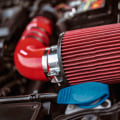
- Cold Air Intakes: These systems improve engine airflow, leading to better combustion and increased horsepower.
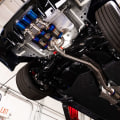
- Exhaust Systems: Upgrading to a performance exhaust can enhance sound and reduce back pressure, improving engine efficiency.
- Tuning Chips: These devices modify the engine's computer settings to optimize performance without physical changes to the engine itself.
- Sway Bars: Adding or upgrading sway bars can improve handling and stability during cornering.
- Suspension Kits: Bolt-on suspension kits can lower a vehicle's ride height and improve handling characteristics.
Exploring Custom Performance Enhancements
When it comes to performance car enhancements, custom modifications stand out for their ability to tailor a vehicle's performance to the owner's specific preferences and driving style.Unlike bolt-on enhancements, which are typically standardized parts that can be easily installed, custom performance enhancements are designed and fabricated to meet unique specifications.
Benefits of Custom Enhancements
- Personalization: Custom enhancements allow car enthusiasts to create a vehicle that reflects their individual style and performance needs.
- Performance Optimization: These modifications can significantly improve aspects such as horsepower, torque, and handling, providing a more exhilarating driving experience.
- Quality Control: Custom parts are often made with higher quality materials and craftsmanship, leading to better durability and reliability.
- Enhanced Aesthetics: Custom modifications can also improve the visual appeal of a car, making it stand out on the road.
Examples of Custom Modifications
- Engine Tuning: Adjusting the engine's software or hardware to increase power output and efficiency.
- Custom Exhaust Systems: Designing exhaust systems that enhance sound and performance by optimizing airflow.
- Suspension Upgrades: Tailoring suspension components for improved handling and ride quality based on driving conditions.
- Forced Induction Systems: Installing turbochargers or superchargers that are specifically tuned for the vehicle's engine.
Key Differences Between Bolt-On and Custom Enhancements
When considering performance car enhancements, understanding the key differences between bolt-on and custom enhancements is crucial for car enthusiasts and casual drivers alike. Each approach offers unique advantages and challenges that can significantly impact your vehicle's performance, cost, and installation process.Cost Considerations
- Bolt-On Enhancements: Generally, these upgrades are more affordable. They are designed to fit specific makes and models without extensive modifications, which keeps labor costs down.
- Custom Enhancements: These can be significantly more expensive due to the bespoke nature of the work involved.
Custom enhancements often require specialized parts and skilled labor, which can drive up costs.
Installation Complexity
- Bolt-On Enhancements: As the name suggests, these parts are designed to be easily attached to existing components. Installation is typically straightforward, often requiring basic tools and minimal mechanical knowledge.
- Custom Enhancements: These modifications usually involve a higher level of complexity. They may require cutting, welding, or extensive re-engineering of existing systems, making professional installation highly recommended.
Performance Impact
- Bolt-On Enhancements: While they can provide noticeable improvements in performance, such as increased horsepower or better handling, the gains are often limited by the vehicle's original design.
- Custom Enhancements: These modifications can lead to significant performance boosts tailored to the driver’s specific needs and preferences. Custom setups allow for a more comprehensive overhaul of the vehicle's systems, potentially resulting in superior performance metrics.
Understanding these differences will help you make an informed decision that aligns with your automotive aspirations.
Cost Considerations for Performance Enhancements
When considering performance car enhancements, understanding the financial implications is crucial. The costs associated with bolt-on and custom upgrades can vary significantly, impacting your overall budget and decision-making process.Cost of Bolt-On Enhancements
Bolt-on enhancements are typically more affordable than custom modifications. These upgrades are designed to fit specific vehicle models without extensive alterations. As a result, they often come with a lower price tag, making them an attractive option for car enthusiasts on a budget.On average, you can expect to spend anywhere from $500 to $2,500 for bolt-on parts, depending on the type of enhancement.
- Intake systems: $200 - $800
- Exhaust systems: $300 - $1,200
- Tuning chips: $300 - $600
- Suspension kits: $500 - $2,000
Cost of Custom Enhancements
In contrast, custom performance enhancements can be significantly more expensive due to their tailored nature. These modifications often require specialized labor and materials, which can drive up costs. Depending on the complexity of the project, prices for custom upgrades can range from $2,000 to over $10,000.- Custom engine builds: $5,000 - $15,000
- Full body kits: $2,000 - $8,000
- Custom tuning: $1,000 - $3,000
- Performance brakes: $1,500 - $5,000
Carefully evaluating your financial situation and desired outcomes will help you make an informed decision that aligns with your automotive aspirations.
Installation and Maintenance: What to Expect?
When considering performance car enhancements, understanding the installation and maintenance requirements for both bolt-on and custom parts is crucial for any car enthusiast.Installation Processes
Bolt-on enhancements are designed for straightforward installation, often requiring minimal mechanical skills. These parts typically come with detailed instructions and can be installed using basic tools. Common examples include exhaust systems, air intakes, and suspension kits. The installation process usually involves:- Removing the factory part.
- Aligning the new bolt-on component.
- Securing it with bolts and brackets provided.
These modifications are tailored to the specific vehicle and may involve:
- Fabrication of new components.
- Welding or cutting existing parts.
- Advanced tuning of the vehicle’s ECU (Engine Control Unit).
Maintenance Considerations
The maintenance requirements for bolt-on and custom enhancements can also differ significantly. Bolt-on parts generally require less ongoing maintenance, as they are designed to fit seamlessly with the vehicle's existing systems. Regular checks for wear and tear, such as inspecting bolts for tightness or checking for leaks, are usually sufficient.On the other hand, custom enhancements may demand more frequent attention. Since these modifications can alter the vehicle's dynamics, it’s essential to monitor:- The performance of custom-tuned components.
- The integrity of any fabricated parts.
- The overall compatibility with other vehicle systems.
Real-World Examples and Case Studies
To better understand the differences between bolt-on and custom performance car enhancements, let’s explore some real-world examples and case studies that highlight their effectiveness and outcomes.Bolt-On Enhancements: A Case Study
Consider the case of a 2018 Ford Mustang GT.The owner opted for a bolt-on performance package that included a cold air intake, a cat-back exhaust system, and a performance tune. These enhancements were designed to improve airflow and exhaust efficiency without requiring extensive modifications to the vehicle.
- Results: After installation, the Mustang saw an increase in horsepower from 450 to approximately 485, along with improved throttle response and a more aggressive exhaust note.
- Cost-Effectiveness: The total investment for these bolt-on parts was around $2,500, making it a relatively affordable option for significant performance gains.
Custom Enhancements: A Case Study
In contrast, let’s examine a 2015 Subaru WRX that underwent a series of custom performance upgrades. The owner worked with a specialist to develop a bespoke turbocharger system, custom intercooler, and upgraded fuel injectors tailored specifically to their driving style and goals.- Results: This comprehensive approach resulted in a staggering increase in horsepower from 268 to over 400, along with enhanced handling characteristics due to suspension modifications.
- Investment: The total cost for this custom setup was around $8,000, reflecting the complexity and labor involved in creating a unique performance profile.
Frequently Asked Questions (FAQs)
When it comes to performance car enhancements, many enthusiasts have questions about the differences between bolt-on and custom upgrades.Here are some frequently asked questions that can help clarify these concepts:
What are bolt-on performance enhancements?
Bolt-on enhancements refer to modifications that can be easily installed without extensive alterations to the vehicle's structure. These upgrades typically include parts like exhaust systems, air intakes, and turbochargers that are designed to fit specific makes and models. They are popular among car owners who want to improve performance without compromising the vehicle's integrity.What are custom performance enhancements?
Custom enhancements, on the other hand, involve more complex modifications tailored specifically to the vehicle. This could include custom tuning of the engine, bespoke suspension setups, or unique bodywork.These upgrades often require professional installation and can significantly alter the car's performance characteristics.
Which is better for my car?
The choice between bolt-on and custom enhancements largely depends on your goals:- Bolt-on upgrades: Ideal for those looking for a straightforward boost in performance with minimal risk and investment.
- Custom upgrades: Best suited for enthusiasts seeking maximum performance and willing to invest time and money into a tailored solution.
Are bolt-on enhancements reversible?
Yes, one of the advantages of bolt-on enhancements is that they are generally reversible. If you decide to sell your car or revert to stock specifications, these parts can usually be removed without leaving significant traces.Do custom enhancements affect warranty?
Custom modifications can potentially void your vehicle's warranty, especially if they lead to issues related to engine performance or safety. It's essential to check with your manufacturer or dealer before proceeding with any custom work.Understanding these differences can help you make informed decisions about which type of performance car enhancements best suit your needs and preferences.Conclusion: Making the Right Choice for Your Vehicle
In conclusion, understanding the differences between bolt-on and custom performance car enhancements is crucial for any car enthusiast looking to improve their vehicle's performance. Each option has its unique advantages and considerations that cater to different needs and preferences.Bolt-on enhancements
are ideal for those seeking a straightforward upgrade process.
They offer:
- Ease of installation: Most bolt-on parts can be installed without extensive mechanical knowledge, making them accessible for DIY enthusiasts.
- Cost-effectiveness: Generally, these enhancements are more affordable than custom solutions, allowing for incremental upgrades without breaking the bank.
- Reliability: Since they are designed to fit specific models, bolt-on parts often maintain the vehicle's integrity and reliability.
- Personalization: Custom enhancements allow you to create a setup that perfectly aligns with your driving style and performance goals.
- Performance optimization: These modifications can lead to greater power gains and improved handling, as they are designed specifically for your vehicle's unique characteristics.
- Potential for higher costs: While they can offer superior performance, custom enhancements often come with a higher price tag and may require professional installation.