When it comes to enhancing a vehicle's performance, performance car enhancements play a crucial role in transforming an ordinary ride into an exhilarating experience. Among the various aspects of car performance, acceleration stands out as a key factor that many enthusiasts seek to improve. Whether you're looking to shave seconds off your quarter-mile time or simply want a more responsive driving experience, understanding the available upgrades is essential. Upgrading your car's acceleration involves a combination of modifications that can significantly boost engine output and overall efficiency. From engine tuning and exhaust system upgrades to forced induction systems, each enhancement serves a specific purpose in maximizing your vehicle's potential.
These upgrades not only enhance speed but also improve throttle response, making your car feel more alive on the road. As we delve deeper into the world of performance car enhancements, it’s important to recognize that each upgrade can have a unique impact on your vehicle's dynamics. By focusing on specific components that contribute to acceleration, you can create a well-rounded performance package that meets your driving needs. In the following sections, we will explore some of the most effective upgrades that can help you achieve the acceleration improvements you desire.
Engine Modifications
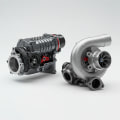
When it comes to performance car enhancements, engine modifications are among the most impactful upgrades you can make to improve your vehicle's acceleration. By focusing on enhancing the engine's capabilities, you can significantly increase horsepower and torque, leading to a more exhilarating driving experience.- Turbochargers: One of the most popular engine upgrades is the installation of a turbocharger.
This device forces more air into the engine, allowing for more fuel to be burned and thus increasing power output. Turbochargers can provide a substantial boost in horsepower, especially in smaller engines that may not have as much natural aspiration.
- Superchargers: Similar to turbochargers, superchargers compress air entering the engine, but they are powered directly by the engine's crankshaft. This means they provide immediate power without the lag often associated with turbochargers. Supercharging is an excellent option for those looking for instant throttle response and increased acceleration.
- ECU Tuning: The Engine Control Unit (ECU) is the brain of your car's engine management system.
By reprogramming or "tuning" the ECU, you can optimize fuel maps, ignition timing, and other parameters to maximize performance. This modification can lead to significant gains in horsepower and efficiency, making it a crucial step in any performance enhancement plan.
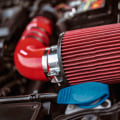
- Cold Air Intakes: Upgrading to a cold air intake system allows your engine to breathe better by drawing in cooler, denser air. This improvement can lead to better combustion and increased power output. Cold air intakes are relatively easy to install and can provide noticeable performance gains.
- Exhaust System Upgrades: A high-performance exhaust system reduces back pressure and allows exhaust gases to exit more freely.
This not only enhances engine efficiency but also improves sound quality. A well-designed exhaust system can complement other modifications like turbocharging or supercharging for maximum effect.
Exhaust System Upgrades
Upgrading your car's exhaust system is one of the most effective ways to enhance its acceleration and overall performance. A performance exhaust system is designed to improve airflow and reduce back pressure, allowing your engine to breathe more freely.This not only boosts horsepower but also enhances throttle response, making your vehicle feel more agile on the road.When considering an exhaust upgrade, there are several key components to focus on:
- Headers: Replacing factory headers with high-performance headers can significantly improve exhaust flow. These headers are typically made from lightweight materials and feature smoother bends, which help in reducing restrictions.
- Cat-back Systems: A cat-back exhaust system replaces everything from the catalytic converter back. This upgrade often includes larger diameter pipes and high-flow mufflers, which contribute to better performance and a more aggressive sound.
- Mufflers: Upgrading to a performance muffler can enhance both sound and performance. Many aftermarket mufflers are designed to minimize back pressure while providing a deeper, more resonant tone that enthusiasts crave.
- Exhaust Tips: While they may seem purely aesthetic, larger or specially designed exhaust tips can also influence exhaust flow and sound, contributing to the overall performance enhancement.
The sound produced by an upgraded exhaust can be a significant factor for many car enthusiasts, as it adds character and excitement to the vehicle. A throaty growl or a sporty roar can make driving more enjoyable, turning heads as you accelerate.Ultimately, investing in an exhaust upgrade is a smart choice for anyone looking to enhance their car's performance. Not only does it improve acceleration by optimizing engine efficiency, but it also allows for a personalized touch that reflects your style and passion for driving.
Intake System Enhancements
Upgrading the intake system of your vehicle is one of the most effective ways to enhance its acceleration and overall performance. A well-designed intake system allows for better airflow, which is crucial for maximizing engine efficiency and power output.One popular option for performance car enthusiasts is the cold air intake.This system draws in cooler air from outside the engine bay, which is denser than the warmer air found under the hood. The increased density of cold air allows for a more efficient combustion process, resulting in improved horsepower and torque. Additionally, many cold air intakes come with high-flow filters that further enhance airflow while providing superior filtration.Another consideration is the use of performance intake systems, which often include larger diameter tubing and smoother bends compared to stock systems. These enhancements reduce restrictions in airflow, allowing the engine to breathe more freely.
This can lead to noticeable gains in acceleration, especially at higher RPMs.
- Improved Airflow: Upgrading to a performance intake system can significantly increase the volume of air entering the engine.
- Enhanced Throttle Response: A more efficient intake system can lead to quicker throttle response, making your car feel more agile.
- Better Fuel Efficiency: With improved airflow, your engine can operate more efficiently, potentially leading to better fuel economy.
Transmission Upgrades
When it comes to performance car enhancements, one of the most impactful areas to consider is transmission upgrades. The transmission plays a crucial role in how power is delivered to the wheels, and optimizing this component can significantly improve a vehicle's acceleration.Transmission Tuning
Transmission tuning involves adjusting the settings of your car's transmission control unit (TCU) to enhance performance.This can include modifying shift points, increasing line pressure, and adjusting torque converter settings. By fine-tuning these parameters, drivers can experience quicker shifts and improved throttle response, which directly contributes to faster acceleration.
Performance Clutches
Upgrading to a performance clutch is another effective way to enhance acceleration. Stock clutches are often designed for durability rather than performance, which can lead to slippage under high power conditions. A performance clutch offers better grip and can handle higher torque loads, allowing for more efficient power transfer from the engine to the drivetrain.This upgrade not only improves acceleration but also enhances overall driving feel.
Gear Ratios
Changing gear ratios is a popular method for improving acceleration. By selecting a lower gear ratio, you can increase the engine's RPMs at a given speed, which allows for quicker acceleration off the line. However, it's essential to find a balance; while lower ratios improve initial acceleration, they may reduce top speed and fuel efficiency. Conversely, higher gear ratios can enhance top-end speed but may result in slower acceleration.Therefore, choosing the right gear ratio depends on your specific performance goals.In summary, transmission upgrades, including tuning, performance clutches, and gear ratio changes, are vital components of enhancing your car's acceleration. By investing in these upgrades, you can unlock your vehicle's full potential and enjoy a more exhilarating driving experience.
Suspension and Weight Reduction
When it comes to performance car enhancements, focusing on suspension upgrades and weight reduction can significantly improve a vehicle's acceleration and overall handling. These modifications not only enhance traction but also contribute to a more responsive driving experience.Suspension Upgrades
A well-tuned suspension system is crucial for maximizing acceleration. Upgrading components such as shocks, struts, and sway bars can lead to better weight distribution and improved grip on the road.Here are some common suspension upgrades:
- Coilovers: These adjustable systems allow for fine-tuning of ride height and damping, providing a balance between comfort and performance.
- Performance Shocks and Struts: Upgrading to high-performance shocks can reduce body roll and improve stability during acceleration.
- Sway Bars: Thicker sway bars help minimize body roll during cornering, allowing for better traction when accelerating out of turns.
Weight Reduction Techniques
Reducing a car's weight is another effective way to enhance acceleration. A lighter vehicle requires less power to move, which translates into quicker acceleration times. Consider these weight reduction techniques:- Lightweight Wheels: Replacing stock wheels with lighter alternatives can reduce unsprung weight, improving handling and acceleration.
- Removing Unnecessary Components: Stripping out non-essential parts like rear seats or sound deadening material can significantly lower weight.
- Carbon Fiber Parts: Investing in carbon fiber hoods, trunks, or body panels can provide substantial weight savings without compromising strength.
Tires and Traction Improvements
When it comes to performance car enhancements, one of the most critical yet often overlooked aspects is the choice of tires.The right tires can significantly improve a vehicle's acceleration and overall handling, making them a vital upgrade for any performance enthusiast.
Performance Tires
Performance tires are specifically designed to provide better grip and handling compared to standard tires. These tires typically feature a softer rubber compound that enhances traction, especially during acceleration. Additionally, they often have a tread pattern optimized for maximum contact with the road, which helps in transferring power more effectively from the engine to the ground.Traction Upgrades
Incorporating traction upgrades can further enhance your car's ability to accelerate. This can include modifications such as:- Sticky Tires: Tires with a higher coefficient of friction can significantly improve grip.
- Tire Pressure Management: Maintaining optimal tire pressure ensures that the contact patch is maximized, enhancing traction.
- Weight Distribution: Adjusting weight distribution can help in achieving better traction during acceleration.
Tire Types for Acceleration
Choosing the right type of tire is essential for maximizing acceleration.Here are some popular options:
- Summer Tires: These are ideal for warm weather conditions and provide excellent grip on dry surfaces.
- All-Season Tires: While versatile, they may not offer the same level of performance as dedicated summer or racing tires.
- Drag Radials: Specifically designed for drag racing, these tires offer superior grip during straight-line acceleration.
Common FAQs About Performance Car Enhancements
When it comes to performance car enhancements, many enthusiasts have questions about how to effectively improve their vehicle's acceleration. Here are some common FAQs that can help clarify the best approaches to upgrading your car.What are the most effective upgrades for improving acceleration?
Several upgrades can significantly enhance your car's acceleration:- Cold Air Intake Systems: These systems allow your engine to breathe better by providing cooler, denser air, which can lead to improved combustion and power.
- Performance Exhaust Systems: Upgrading to a performance exhaust can reduce back pressure and improve exhaust flow, resulting in better engine efficiency and acceleration.
- Tuning the Engine: A professional tune can optimize your engine's performance parameters, allowing for more power and quicker throttle response.
- Upgraded Turbochargers or Superchargers: Forced induction systems can dramatically increase horsepower and torque, leading to faster acceleration.
- Lightweight Wheels: Reducing unsprung weight with lighter wheels can improve handling and acceleration by allowing the engine to transfer power more effectively.
How do I know if my car needs performance upgrades?
If you notice a lack of responsiveness or sluggishness during acceleration, it may be time to consider performance upgrades. Additionally, if you're looking to enhance your driving experience or participate in motorsports, upgrades can provide the necessary boost.Are there any risks associated with performance upgrades?
While performance car enhancements can yield significant benefits, they may also come with risks such as:- Increased Wear and Tear: More power can lead to greater stress on engine components, potentially shortening their lifespan.
- Warranty Issues: Some modifications may void manufacturer warranties, so it's essential to check before proceeding.
- Legal Compliance: Certain upgrades may not comply with local emissions regulations, so always verify legality in your area.
Conclusion: Key Takeaways on Performance Enhancements for Acceleration
In summary, enhancing your car's acceleration through performance car enhancements can significantly elevate your driving experience.By focusing on key upgrades, you can achieve a more responsive and powerful vehicle that meets your performance expectations. Here are the essential takeaways regarding common upgrades:
- Engine Tuning: Optimizing your engine's performance through remapping or tuning can lead to substantial gains in horsepower and torque, directly impacting acceleration.
- Cold Air Intakes: Installing a cold air intake system allows for better airflow into the engine, improving combustion efficiency and resulting in quicker throttle response.
- Exhaust Systems: Upgrading to a high-performance exhaust system reduces back pressure, enabling the engine to expel exhaust gases more efficiently, which enhances acceleration.
- Tires: Investing in high-performance tires provides better grip and traction, allowing for improved acceleration without wheel spin.
- Suspension Upgrades: A well-tuned suspension system ensures better weight transfer during acceleration, enhancing stability and control.