In the world of automotive enthusiasts, performance car enhancements represent a thrilling avenue for unlocking a vehicle's true potential. These enhancements encompass a wide range of modifications, from engine upgrades to suspension tweaks, all aimed at improving speed, handling, and overall driving experience. Understanding what constitutes performance car enhancements is essential for anyone looking to elevate their vehicle beyond factory specifications. At its core, performance car enhancements are designed to optimize a car's capabilities, making it not just faster but also more responsive and enjoyable to drive. Whether it's through the installation of high-performance exhaust systems, advanced tuning software, or lightweight components, each modification plays a crucial role in enhancing the vehicle's performance metrics.
The benefits of these enhancements are manifold; they can lead to improved acceleration, better cornering stability, and even increased fuel efficiency in some cases. Moreover, the significance of aftermarket parts cannot be overstated in this context. These components are often engineered with precision and performance in mind, allowing car enthusiasts to tailor their vehicles to their specific driving styles and preferences. As we delve deeper into the realm of performance car enhancements, it becomes clear that the right modifications can transform an ordinary vehicle into an extraordinary machine, capable of delivering exhilarating experiences on both the road and the track.
What Are Aftermarket Parts?
Aftermarket parts are components that are made by companies other than the original manufacturer of the vehicle. These parts are designed to replace or enhance the factory-installed components, providing car enthusiasts with a wide range of options to improve their vehicle's performance, aesthetics, and functionality.Types of Aftermarket Parts
- Performance Parts: These include upgrades such as high-performance exhaust systems, cold air intakes, and turbochargers that significantly boost engine output and efficiency.
- Suspension Components: Upgraded shocks, struts, and sway bars can enhance handling and ride quality, making the car more responsive during aggressive driving.
- Wheels and Tires: Aftermarket wheels can reduce weight and improve aesthetics, while performance tires offer better grip and handling characteristics.
- Body Kits: These modifications can improve aerodynamics and give the car a more aggressive look, often including spoilers and side skirts.
- Interior Accessories: Upgrades such as racing seats, steering wheels, and custom gauges can enhance both comfort and driving experience.
OEM parts are made by the vehicle's manufacturer and are designed to meet specific standards for quality and fit. In contrast, aftermarket parts can vary widely in quality, performance, and price. While some aftermarket options may offer superior performance or customization opportunities, others may not meet the same standards as OEM parts.Ultimately, the choice between aftermarket and OEM parts depends on the owner's goals for their vehicle. For those focused on performance car enhancements, aftermarket parts often provide a more extensive selection of options tailored to specific needs and preferences.
How Aftermarket Parts Enhance Performance
Aftermarket parts play a crucial role in performance car enhancements, offering a range of benefits that can significantly improve a vehicle's capabilities.By replacing or upgrading factory-installed components, car enthusiasts can achieve better speed, handling, and overall driving experience.
Improved Speed and Acceleration
- High-Performance Exhaust Systems: Upgrading to an aftermarket exhaust system can enhance engine efficiency by reducing back pressure, allowing for quicker acceleration and increased horsepower.
- Cold Air Intakes: These systems improve airflow to the engine, resulting in better combustion and more power. The cooler air is denser, which translates to improved performance.
Enhanced Handling and Stability
- Suspension Upgrades: Aftermarket suspension components, such as coilovers or sway bars, can dramatically improve a car's handling by lowering its center of gravity and reducing body roll during cornering.
- Tires: Performance tires provide better grip and traction, which is essential for maximizing the benefits of other upgrades. They enhance cornering ability and braking performance.
Overall Driving Experience
- Custom Tuning: Many aftermarket parts come with the option for custom tuning, allowing drivers to optimize their vehicle's performance based on specific driving styles or conditions.
- Aesthetic Enhancements: While not directly related to performance, many aftermarket parts also improve the visual appeal of a car, which can enhance the overall driving experience.
Popular Aftermarket Parts for Performance Enhancements
When it comes to performance car enhancements, aftermarket parts are essential for enthusiasts looking to boost their vehicle's capabilities.Here are some of the most popular aftermarket parts that can significantly enhance performance:
- Exhaust Systems: Upgrading to a high-performance exhaust system can improve airflow, reduce back pressure, and enhance engine sound. Brands like Borla and MagnaFlow offer systems that not only increase horsepower but also provide a more aggressive tone.
- Cold Air Intakes: A cold air intake system allows your engine to breathe better by drawing in cooler, denser air. This can lead to improved combustion efficiency and increased power output. Popular options include K&N and AEM.
- Suspension Kits: Performance suspension kits, including coilovers and sway bars, help improve handling and stability.
By lowering the center of gravity and reducing body roll, these upgrades can make a significant difference in how a car performs on the track or during spirited driving.
- Tuning Chips: Engine tuning chips or modules can optimize your vehicle's performance by adjusting fuel maps, ignition timing, and other parameters. Brands like Cobb Tuning and SCT offer plug-and-play solutions that can yield noticeable gains in horsepower and torque.
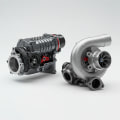
- Turbochargers and Superchargers: For those looking for extreme power increases, adding a turbocharger or supercharger can dramatically boost engine output. These forced induction systems compress air entering the engine, allowing for more fuel to be burned and thus increasing power significantly.
The Role of Aftermarket Tuning in Performance Enhancements
Aftermarket tuning is a crucial component in the realm of performance car enhancements.While upgrading parts such as exhaust systems, intakes, and suspension components can significantly improve a vehicle's performance, the true potential of these enhancements is often unlocked through proper tuning.
Benefits of Aftermarket Tuning
- Optimized Performance: Tuning adjusts the engine's parameters to work harmoniously with new aftermarket parts. This optimization can lead to increased horsepower and torque, enhancing overall driving experience.
- Improved Fuel Efficiency: A well-tuned engine can also achieve better fuel economy. By fine-tuning the air-fuel mixture and ignition timing, drivers can enjoy both performance and efficiency.
- Customization: Tuning allows for personalized settings that cater to individual driving styles. Whether you prefer aggressive acceleration or smooth cruising, tuning can be tailored to meet your needs.
Tuning for Performance Cars
When it comes to performance cars, the stakes are higher.
These vehicles are designed for speed and agility, and any aftermarket modifications must be complemented by precise tuning. For instance, installing a high-performance turbocharger without proper tuning can lead to engine knock or reduced reliability. Therefore, it’s essential to work with experienced tuners who understand the intricacies of performance modifications.
How Tuning Affects Performance
The impact of tuning on performance cannot be overstated. It not only maximizes the benefits of aftermarket parts but also ensures that the vehicle operates within safe parameters.
A well-executed tune can enhance throttle response, improve acceleration times, and even refine handling characteristics by adjusting suspension settings. In essence, tuning acts as the bridge that connects aftermarket enhancements with real-world performance gains.In conclusion, integrating aftermarket tuning with performance upgrades is vital for anyone looking to elevate their vehicle's capabilities. By understanding how tuning affects performance, car enthusiasts can make informed decisions that lead to a more exhilarating driving experience.
Considerations When Choosing Aftermarket Parts
When it comes to performance car enhancements, selecting the right aftermarket parts is crucial for achieving the desired results. Here are some key considerations to keep in mind:- Compatibility: Ensure that the aftermarket parts you choose are compatible with your vehicle's make and model.
This includes checking specifications such as engine type, transmission, and existing modifications. Incompatible parts can lead to poor performance or even damage.
- Quality: Not all aftermarket parts are created equal. Look for reputable brands that offer high-quality components. Reading reviews and seeking recommendations from fellow car enthusiasts can help you identify reliable options.
- Performance Goals: Define your performance goals before making a purchase.
Are you looking for increased horsepower, better handling, or improved braking? Different parts serve different purposes, so understanding your objectives will guide your selection process.
- Installation Requirements: Some aftermarket parts may require professional installation, while others can be easily installed at home. Consider your mechanical skills and whether you need to factor in additional labor costs when budgeting for upgrades.
- Legal Considerations: Be aware of local laws and regulations regarding aftermarket modifications. Some parts may not be street-legal or could affect your vehicle's warranty. Researching these aspects beforehand can save you from potential legal issues down the line.
Potential Risks and Downsides of Aftermarket Parts
While aftermarket parts can significantly enhance the performance of a vehicle, they also come with a set of potential risks and downsides that car enthusiasts should carefully consider.Warranty Concerns
One of the most significant issues with installing aftermarket parts is the potential impact on your vehicle's warranty.Many manufacturers include clauses in their warranties that can be voided if aftermarket components are used. This means that if something goes wrong with your vehicle, you may be left to cover the repair costs out of pocket. It's essential to read the fine print of your warranty and consult with your dealer before making any modifications.
Reliability Issues
Another downside to consider is the reliability of aftermarket parts. While some aftermarket components are designed to meet or exceed OEM specifications, others may not be manufactured to the same quality standards.This can lead to premature wear and tear, resulting in costly repairs down the line. Additionally, poorly designed or incompatible parts can cause issues such as engine misfires, overheating, or even complete engine failure.
Performance Trade-offs
In some cases, performance upgrades can lead to unintended consequences. For example, while a high-performance exhaust system may improve horsepower, it could also lead to increased noise levels that may not be acceptable for daily driving. Similarly, upgrading suspension components for better handling might result in a stiffer ride that sacrifices comfort.Legal and Insurance Implications
Lastly, it's important to consider the legal implications of certain aftermarket modifications.Some performance enhancements may not comply with local emissions regulations or safety standards, which could result in fines or penalties. Furthermore, insurance companies may view modified vehicles as higher risk, potentially leading to increased premiums or difficulties in obtaining coverage.In summary, while aftermarket parts can provide significant benefits for performance car enhancements, they also come with risks that should not be overlooked. Careful consideration and research are essential to ensure that modifications enhance your vehicle without compromising its reliability or legality.
FAQs About Aftermarket Parts and Performance Enhancements
When it comes to performance car enhancements, many enthusiasts have questions about the role of aftermarket parts. Here are some frequently asked questions that can help clarify common misconceptions:What are aftermarket parts?
Aftermarket parts are components made by companies other than the original manufacturer of the vehicle.These parts can range from performance upgrades like exhaust systems and turbochargers to aesthetic modifications such as body kits and custom wheels.
Do aftermarket parts really improve performance?
Yes, aftermarket parts can significantly enhance a vehicle's performance. For instance, a high-performance air intake system can increase airflow to the engine, resulting in better combustion and increased horsepower. Similarly, upgraded suspension components can improve handling and stability, making your car more responsive on the road or track.Are all aftermarket parts reliable?
No, not all aftermarket parts are created equal. It's essential to research and choose reputable brands known for quality and reliability.Reading reviews and seeking recommendations from fellow car enthusiasts can help you make informed decisions.
Can aftermarket parts void my warranty?
This is a common concern among car owners. While installing certain aftermarket enhancements may void specific aspects of your warranty, it typically depends on the part and the manufacturer’s policies. It's advisable to check your warranty terms before making modifications.What are some myths about aftermarket parts?
- Myth: All aftermarket parts are illegal.
- Fact: Many aftermarket parts are legal and comply with safety regulations.
- Myth: Aftermarket modifications always decrease reliability.
- Fact: Quality aftermarket parts can enhance reliability when installed correctly.
Conclusion: The Future of Performance Car Enhancements with Aftermarket Parts
As we look towards the future of performance car enhancements, it is clear that aftermarket parts will continue to play a pivotal role in shaping the automotive landscape.The evolution of technology and engineering has opened up new avenues for car enthusiasts and professionals alike, allowing for unprecedented customization and performance optimization.One of the most significant trends is the increasing accessibility of high-quality aftermarket components. With advancements in manufacturing processes, such as 3D printing and CNC machining, enthusiasts can now obtain parts that were once exclusive to high-end racing teams. This democratization of performance parts means that more drivers can enhance their vehicles without breaking the bank.
Integration with Technology
Moreover, the integration of technology into aftermarket enhancements is transforming how we approach performance car enhancements. Modern vehicles are equipped with sophisticated electronics, and aftermarket tuners are developing software solutions that allow for real-time adjustments to engine performance, suspension settings, and even aerodynamics.This synergy between hardware and software not only improves performance but also enhances safety and drivability.
Sustainability Considerations
Another important aspect to consider is the growing emphasis on sustainability within the automotive industry. As environmental concerns rise, many aftermarket manufacturers are focusing on creating parts that not only boost performance but also reduce emissions and improve fuel efficiency. This shift not only aligns with global sustainability goals but also appeals to a new generation of eco-conscious car enthusiasts.In conclusion, the future of performance car enhancements through aftermarket parts is bright and full of potential. As technology continues to advance and consumer preferences evolve, we can expect a dynamic landscape where innovation meets personalization.Whether you are a seasoned racer or a casual driver looking to enhance your vehicle's capabilities, the world of aftermarket parts will undoubtedly offer exciting opportunities for performance enhancement.