In the world of automotive enthusiasts, performance car enhancements are often seen as a gateway to unlocking a vehicle's true potential. From turbochargers and exhaust systems to suspension upgrades and engine tuning, these modifications can significantly improve speed, handling, and overall driving experience. However, as exciting as these enhancements may be, they come with a critical consideration: the impact on your vehicle's warranty. Many car owners are unaware that certain car modifications can lead to complications with their vehicle warranty. Manufacturers typically provide warranties to cover defects and issues that arise under normal use.
However, when a vehicle is modified, especially in ways that alter its performance or structure, it can create a gray area regarding what is covered. This uncertainty can leave car owners in a precarious position, balancing the desire for enhanced performance against the risk of voiding their warranty. Understanding the relationship between performance car enhancements and warranties is essential for any car enthusiast. It’s not just about the thrill of speed; it’s also about making informed decisions that protect your investment. In this article, we will delve deeper into how specific modifications can affect your warranty status and what you need to know before making any changes to your vehicle.
What Are Performance Car Enhancements?
Performance car enhancements refer to modifications made to a vehicle to improve its speed, handling, and overall driving experience.These enhancements can significantly alter the car's performance characteristics, making them popular among automotive enthusiasts. Understanding the various types of performance upgrades is essential for anyone considering these modifications.
- Engine Modifications: One of the most common types of performance enhancements involves upgrading the engine. This can include installing a turbocharger or supercharger, which increases the engine's power output by forcing more air into the combustion chamber. Other modifications may involve changing the engine's internals, such as pistons and camshafts, to enhance performance.
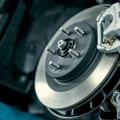
- Suspension Upgrades: Enhancing a vehicle's suspension system can lead to improved handling and ride quality.
Upgrades may include installing coilovers, sway bars, or performance shocks and struts. These modifications help lower the car's center of gravity and reduce body roll during cornering.
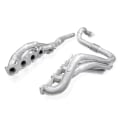
- Exhaust Systems: Upgrading the exhaust system is another popular enhancement. A performance exhaust can improve airflow, resulting in better engine efficiency and a more aggressive sound. Options include cat-back systems, headers, and high-flow catalytic converters.
- Tuning: Car tuning involves adjusting the vehicle's engine management system to optimize performance.
This can be done through software remapping or using aftermarket tuning devices. Proper tuning ensures that all enhancements work harmoniously together for maximum effect.
Understanding Vehicle Warranties
Understanding vehicle warranties is crucial for any car owner, especially when considering performance car enhancements. A vehicle warranty is essentially a promise from the manufacturer to cover certain repairs and services for a specified period or mileage.There are primarily two types of warranties that vehicle owners should be aware of:
- Manufacturer's Warranty: This is the standard warranty that comes with a new vehicle. It typically covers defects in materials and workmanship for a specific duration, often ranging from three to five years or up to 60,000 miles, whichever comes first. This warranty usually includes coverage for major components such as the engine, transmission, and electrical systems.
- Extended Warranty: Also known as a service contract, this warranty can be purchased to extend coverage beyond the manufacturer's warranty period. Extended warranties can vary significantly in terms of what they cover and for how long.
Some may include additional benefits like roadside assistance or rental car reimbursement.
How Performance Enhancements Can Affect Your Warranty
When considering performance car enhancements, it's crucial to understand how these modifications can impact your vehicle's warranty.Many car owners are unaware that certain upgrades can lead to warranty voidance, leaving them financially vulnerable in the event of a mechanical failure.
Warranty Implications
often hinge on the type of modification made. For instance, if you install a high-performance exhaust system, the manufacturer may argue that this change has affected the engine's performance, thus voiding the warranty on related components. This is particularly true if the modification is deemed to have caused a failure.To navigate these complexities, consider the following:- Manufacturer Policies: Each manufacturer has specific guidelines regarding modifications. Some may allow certain enhancements without affecting the warranty, while others may take a stricter stance.
- Documentation: Always keep detailed records of any modifications and their installation.
This documentation can be crucial if you need to prove that a modification did not cause a failure.
- Legal Protections: The Magnuson-Moss Warranty Act protects consumers against unfair warranty voidance. If a manufacturer cannot prove that a modification caused a failure, they may still be obligated to honor the warranty.
Understanding the potential risks and implications can save you from costly repairs down the line.
The Magnuson-Moss Warranty Act: What You Need to Know
The Magnuson-Moss Warranty Act, enacted in 1975, is a crucial piece of legislation that protects consumers when it comes to warranties on products, including vehicles. This act was designed to ensure that consumers are not unfairly denied warranty coverage due to modifications or enhancements made to their vehicles, such as performance car enhancements.Under the Magnuson-Moss Warranty Act, manufacturers cannot void a warranty simply because a consumer has made modifications to their vehicle. However, there are important stipulations to consider:- Burden of Proof: If a manufacturer claims that a modification caused a specific issue, they must provide evidence to support this claim. This means that the burden of proof lies with the manufacturer, not the consumer.
- Specificity of Warranty Terms: Warranties must clearly outline what is covered and what is not.
If a warranty states that certain modifications will void the warranty, it must be explicitly stated and not hidden in fine print.
- Consumer Rights: Consumers have the right to seek legal recourse if they believe their warranty has been unfairly voided. This includes filing complaints with the Federal Trade Commission (FTC) or pursuing legal action against manufacturers.
Common Misconceptions About Performance Enhancements and Warranties
When it comes to performance car enhancements, many car enthusiasts and potential modifiers often fall prey to a variety of myths and misconceptions regarding how these modifications can affect their vehicle's warranty.Understanding these misconceptions is crucial for making informed decisions about upgrades.
- Myth 1: All Modifications Automatically Void the Warranty
Many believe that any modification, no matter how minor, will void the entire warranty. In reality, the Magnuson-Moss Warranty Act protects consumers by stating that a warranty cannot be voided simply because of aftermarket parts. However, if a specific modification is proven to cause damage, the manufacturer may deny warranty claims related to that damage. - Myth 2: Performance Enhancements Are Always Illegal
While some performance upgrades may not comply with local emissions laws, many enhancements are legal and can be installed without issue. It's essential to research local regulations and choose modifications that adhere to them. - Myth 3: Dealers Will Always Deny Warranty Claims for Modified Cars
While some dealers may be hesitant about modified vehicles, many are open to performance enhancements as long as they are installed correctly and do not cause issues.Building a good relationship with your dealer can help mitigate concerns.
- Myth 4: Only Major Modifications Affect Warranties
Some believe that only significant changes, like engine swaps or turbo installations, impact warranties. However, even minor modifications, such as changing the exhaust system or adding a cold air intake, can potentially lead to warranty complications if they result in damage.
Manufacturer Policies on Modifications: A Closer Look
When it comes to performance car enhancements, understanding the policies of different manufacturers is crucial for car owners who want to modify their vehicles without jeopardizing their warranties. Each manufacturer has its own set of guidelines regarding modifications, and these can significantly impact warranty coverage.General Manufacturer Policies
- Factory Warranty: Most manufacturers maintain that any modification that alters the vehicle's performance or structure can void the factory warranty.
This includes changes to the engine, suspension, and exhaust systems.
- Aftermarket Parts: The use of aftermarket parts can be a gray area. Some manufacturers may void the warranty only on the specific part that was modified, while others may take a broader approach.
- Documentation: Keeping detailed records of modifications and maintenance can help in discussions with manufacturers if warranty claims arise.
Brand-Specific Guidelines
- Ford: Ford has a relatively flexible policy regarding performance enhancements, especially for their Mustang line. However, they still advise caution and recommend using parts that are certified by Ford Performance.
- Chevrolet: Chevrolet allows certain modifications but warns that any changes made to the engine or transmission could void the warranty. They encourage using GM-approved performance parts.
- Toyota: Toyota's policy is more stringent; they typically void warranties for any modifications that affect the vehicle's performance or safety features.
It is essential for car enthusiasts to thoroughly research their specific brand's policies before making any modifications to ensure they do not inadvertently void their warranties.
What to Do If Your Warranty Is Voided Due to Enhancements?
If your warranty has been voided due to performance car enhancements, it can be a frustrating situation. However, there are steps you can take to address the issue and potentially regain some coverage.1.Review Your Warranty Documentation
The first step is to thoroughly review your warranty documentation. Look for specific clauses related to modifications and enhancements. Understanding the terms can help you determine if the voiding was justified or if there are exceptions that apply.2.Contact Your Dealership
Reach out to your dealership or the manufacturer’s customer service.Explain your situation and ask for clarification on why your warranty was voided. Sometimes, dealerships may be willing to work with you, especially if the enhancements did not directly cause the issue you are experiencing.
3.Gather Evidence
If you believe that your warranty was unfairly voided, gather evidence to support your case. This could include:- Documentation of the modifications made
- Service records showing regular maintenance
- Photos of the vehicle before and after enhancements
4.Seek Legal Advice
If discussions with the dealership do not yield satisfactory results, consider seeking legal advice. An attorney specializing in consumer rights or automotive law can provide guidance on whether you have a case for recourse.5.Explore Extended Warranty Options
If your warranty is permanently voided, you might want to explore extended warranty options.Some companies offer plans that cover modified vehicles, which can provide peace of mind as you continue to enjoy your performance enhancements.In conclusion, while having your warranty voided due to performance car enhancements can be disheartening, understanding your options and taking proactive steps can help you navigate this challenging situation.
FAQs About Performance Car Enhancements and Warranties
When considering performance car enhancements, many vehicle owners have questions about how these modifications might affect their warranties. Here are some common inquiries:- Do performance enhancements void my warranty?
In general, performance car enhancements can potentially void your warranty, but it largely depends on the type of modification and the specific terms of your warranty. If a modification directly causes a failure in a covered component, the manufacturer may deny warranty claims related to that component. - What types of modifications are most likely to affect my warranty?
Modifications such as engine tuning, aftermarket exhaust systems, and turbocharger installations are often scrutinized. These changes can significantly alter the vehicle's performance and may lead to warranty issues. - Can I still make modifications without voiding my warranty?
Yes, you can make certain modifications that are less likely to impact your warranty.For example, cosmetic upgrades or non-performance-related enhancements typically do not affect warranty coverage.
- What should I do if I want to enhance my car's performance?
Before proceeding with any performance car enhancements, consult your vehicle's warranty documentation and speak with your dealer. They can provide guidance on which modifications are permissible without jeopardizing your warranty. - Are there any legal protections for consumers regarding warranties and modifications?
The Magnuson-Moss Warranty Act protects consumers by stating that manufacturers cannot void a warranty simply because a vehicle has been modified. However, they can deny claims if the modification is proven to be the cause of the issue.
Conclusion: Making Informed Decisions About Performance Enhancements
In conclusion, understanding the implications of performance car enhancements on your vehicle's warranty is crucial for any car enthusiast. While enhancing your vehicle's performance can lead to an exhilarating driving experience, it is essential to recognize the potential risks involved. As discussed, manufacturers often include specific clauses in their warranty agreements that can be affected by modifications.These enhancements may lead to a voided warranty if they are deemed to have caused damage or if they alter the vehicle's original specifications. Therefore, it is vital to:
- Research Thoroughly: Before making any modifications, investigate how they might impact your warranty. Consult your vehicle's warranty documentation and speak with your dealer.
- Choose Reputable Products: Opt for enhancements from well-known brands that offer warranties of their own. This can provide an additional layer of protection.
- Document Everything: Keep detailed records of all modifications and maintenance performed on your vehicle.
This documentation can be invaluable if a warranty claim arises.