When it comes to enhancing the performance of your vehicle, performance car enhancements offer a thrilling way to elevate your driving experience. These modifications can range from simple tweaks to comprehensive upgrades, all aimed at improving speed, handling, and overall vehicle dynamics. Whether you’re a casual enthusiast or a dedicated racer, understanding the landscape of performance upgrades is essential for making informed decisions that align with your goals and budget. The cost of performance upgrades can vary significantly based on the type of modifications you choose. From engine tuning and exhaust systems to suspension upgrades and brake enhancements, each option comes with its own price tag.
For instance, a basic cold air intake might set you back a few hundred dollars, while a full turbocharger kit could run into the thousands. This wide range of expenses makes it crucial for car owners to assess their priorities and budget before diving into the world of modifications. Moreover, it’s important to consider not just the initial costs but also the long-term implications of these enhancements. Some modifications may require additional maintenance or lead to increased wear on other components of your vehicle. Therefore, understanding the full scope of car modification expenses is vital for anyone looking to boost their car's performance without breaking the bank.
In this article, we will explore various types of performance enhancements and their associated costs, helping you navigate this exciting yet complex landscape.
Types of Performance Car Enhancements
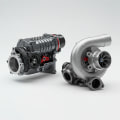
When it comes to performance car enhancements, there are several categories that enthusiasts can explore to boost their vehicle's capabilities. Understanding these types of enhancements is crucial for anyone looking to improve their car's performance.- Engine Upgrades: One of the most significant areas for enhancement is the engine. Upgrades can include turbochargers, superchargers, and performance tuning chips. These modifications can significantly increase horsepower and torque, providing a more exhilarating driving experience.
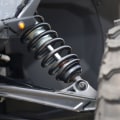
- Suspension Modifications: Enhancing the suspension system can improve handling and stability.
Options include coilovers, sway bars, and strut braces. These upgrades help in reducing body roll during cornering and provide a more responsive feel on the road.
- Exhaust Systems: Upgrading the exhaust system not only improves engine efficiency but also enhances the sound of the vehicle. Performance exhaust systems can reduce back pressure and increase horsepower while giving your car a more aggressive tone.
- Braking Systems: Performance brakes are essential for high-speed driving. Upgrades may include larger rotors, high-performance brake pads, and stainless-steel brake lines.
These enhancements ensure better stopping power and improved safety.
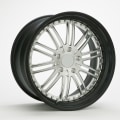
- Tires and Wheels: The right tires can make a significant difference in performance. Upgrading to high-performance tires provides better grip and handling. Additionally, lightweight wheels can reduce unsprung weight, improving acceleration and braking.
Cost Breakdown of Common Enhancements
When considering performance car enhancements, understanding the costs associated with each type of upgrade is crucial for budgeting effectively.Below is a detailed breakdown of common enhancements and their average costs.
Engine Upgrades
Engine upgrades are often the most significant investment for performance enthusiasts. Depending on the type of enhancement, costs can vary widely:- Tuning and ECU Remapping: $300 - $1,500
- Turbocharger Installation: $1,000 - $5,000
- Supercharger Kits: $3,000 - $7,000
- Performance Camshafts: $500 - $2,000
Suspension Modifications
Suspension modifications are essential for improving handling and ride quality.Here’s what you can expect to pay:
- Coilover Kits: $800 - $2,500
- Sway Bars: $200 - $600
- Bushing Upgrades: $100 - $400
Exhaust System Costs
An upgraded exhaust system not only enhances performance but also improves sound. The costs associated with exhaust enhancements include:- Axle-Back Exhaust Systems: $300 - $1,200
- Cat-Back Exhaust Systems: $500 - $2,000
- Catalytic Converter Upgrades: $200 - $1,000
Total Costs
: When combining these enhancements, a performance car owner might expect to spend anywhere from $3,200 to over $10,000 depending on the extent of modifications chosen.It’s essential to prioritize enhancements based on personal performance goals and budget constraints.
Factors Influencing Enhancement Costs
When considering performance car enhancements, several key factors can significantly influence the overall costs. Understanding these elements can help car enthusiasts make informed decisions about their upgrades.- Brand Reputation: The brand of the parts you choose can greatly affect the price. Well-known brands often charge a premium for their products due to their established reputation for quality and performance. While cheaper alternatives may be available, they might not offer the same reliability or performance gains.
- Labor Costs: The complexity of the installation process can vary widely depending on the type of enhancement.
For instance, simple modifications like air filters or exhaust systems may require less labor, while more intricate upgrades such as turbochargers or engine swaps can demand extensive labor hours, thus increasing costs.
- Vehicle Type: The make and model of your vehicle also play a crucial role in determining enhancement costs. Performance parts for luxury or exotic cars tend to be more expensive due to limited availability and higher demand. Additionally, some vehicles may require specialized tools or expertise, further driving up labor costs.
- Type of Enhancement: Different types of enhancements come with varying price tags. For example, cosmetic upgrades like body kits or custom paint jobs may be less expensive than performance upgrades such as suspension systems or engine tuning.
It's essential to prioritize which enhancements will provide the most value for your specific goals.
- Market Trends: The automotive market is constantly evolving, and prices for performance parts can fluctuate based on demand and availability. Keeping an eye on market trends can help you identify the best times to purchase enhancements at a lower cost.
DIY vs. Professional Installation: Cost Considerations
When considering performance car enhancements, one of the most significant decisions you'll face is whether to tackle the installation yourself or hire a professional. Each option comes with its own set of costs and benefits that can impact your overall budget.DIY Car Enhancements Cost
Opting for a DIY approach can be appealing, especially for those who enjoy working on their vehicles.The primary costs associated with DIY installations include:
- Parts and Materials: Depending on the enhancement, parts can range from $100 to over $1,000. For example, a simple cold air intake might cost around $200, while a full exhaust system could exceed $800.
- Tools: If you don’t already have the necessary tools, you may need to invest in equipment like wrenches, jacks, and diagnostic tools. This could add another $100 to $500 to your total cost.
- Time: While not a direct financial cost, consider the time investment. DIY projects can take several hours or even days, depending on your skill level and the complexity of the enhancement.
Professional Installation Prices
If you choose to go with professional installation, you can expect to pay for both labor and parts.Here’s what to keep in mind:
- Labor Costs: Professional labor rates typically range from $75 to $150 per hour. For straightforward installations, you might spend around $100 to $300 in labor alone.
- Comprehensive Services: Some shops offer package deals that include both parts and installation. These packages can sometimes save you money compared to purchasing items separately.
Cost Comparison: DIY vs. Professional Upgrades
The choice between DIY and professional installation often boils down to your budget and skill level.While DIY can save money upfront, it requires time and effort, along with the risk of potential mistakes that could lead to additional costs down the line. On the other hand, professional installations provide peace of mind and often come with warranties but at a higher price point.Ultimately, weigh your options carefully. If you're confident in your abilities and have the time to spare, DIY enhancements can be a rewarding experience. However, if you're looking for quality assurance and efficiency, investing in professional services may be worth the extra cost.
Financing Options for Performance Enhancements
When considering performance car enhancements, many enthusiasts find themselves facing the challenge of financing these upgrades.Fortunately, there are several options available to help manage the costs associated with modifying your vehicle.
Personal Loans
One of the most common ways to finance performance car upgrades is through personal loans. These loans can be obtained from banks, credit unions, or online lenders. They typically offer fixed interest rates and flexible repayment terms, making them a viable option for those looking to spread out the cost of enhancements over time.Credit Cards
If you prefer a more immediate solution, using a credit card can be an effective way to finance car modifications. Many credit cards offer promotional periods with 0% interest on purchases, allowing you to pay off your enhancements without incurring additional costs.However, it’s crucial to have a plan in place to pay off the balance before the promotional period ends.
Payment Plans from Shops
Many automotive shops that specialize in performance enhancements offer their own financing options or payment plans. These arrangements can be beneficial as they often come with lower interest rates compared to traditional loans. Additionally, some shops may partner with financing companies to provide tailored solutions that fit your budget.Leasing Options
For those who prefer not to own their vehicle outright, leasing can be an alternative route. Some leasing agreements allow for modifications during the lease term, which means you can enjoy performance enhancements without the full upfront cost.However, it’s essential to check the terms of your lease agreement regarding modifications.In conclusion, financing performance car enhancements is achievable through various methods. Whether you opt for personal loans, credit cards, shop payment plans, or leasing options, understanding your financial situation and exploring these avenues can help you make informed decisions about upgrading your vehicle.
Frequently Asked Questions about Performance Car Enhancements Costs
When considering performance car enhancements, many car enthusiasts have questions about the associated costs. Here are some frequently asked questions that can help clarify what to expect.- What are the typical costs for performance upgrades?
The costs for performance car enhancements can vary widely depending on the type of modifications. Basic upgrades like air filters and exhaust systems can range from $100 to $1,000, while more extensive modifications such as turbochargers or superchargers can cost between $2,000 and $10,000. - Are there cheaper alternatives to performance enhancements?
Yes, there are budget-friendly options available.For instance, tuning your car's ECU (Engine Control Unit) can improve performance for around $500 to $1,500. Additionally, simple weight reduction techniques can enhance speed without significant investment.
- How much should I budget for installation?
Installation costs can add significantly to your total expenses. Labor rates typically range from $75 to $150 per hour, depending on the complexity of the installation. For example, installing a new suspension system might take 4-6 hours, leading to an additional cost of $300 to $900. - Do performance enhancements affect insurance rates?
Yes, modifying your vehicle can impact your insurance premiums.Many insurance companies view performance car enhancements as increasing risk, which may lead to higher rates. It's advisable to consult with your insurance provider before making modifications.
- Is it worth investing in performance enhancements?
This largely depends on your goals. If you seek improved handling and speed for racing or track days, investing in quality upgrades can be worthwhile. However, if you primarily use your car for daily commuting, you might want to consider whether the benefits justify the costs.
Conclusion: Making Informed Decisions on Performance Enhancements
In conclusion, understanding the average cost of performance car enhancements is crucial for any car enthusiast looking to boost their vehicle's capabilities.Throughout this article, we have explored various types of enhancements, from engine modifications to suspension upgrades, and highlighted the associated costs. When considering performance car enhancements, it is essential to evaluate not only the initial investment but also the long-term benefits and potential drawbacks. For instance, while a turbocharger may significantly increase horsepower, it can also lead to higher maintenance costs and may affect the vehicle's reliability. Moreover, it is important to prioritize enhancements based on your driving style and goals. Here are some key takeaways to keep in mind:
- Research Thoroughly: Before committing to any modifications, conduct thorough research on the specific enhancements you are considering. Look for reviews, expert opinions, and real-world performance data.
- Budget Wisely: Set a realistic budget that includes not just the cost of parts but also installation fees and potential future repairs.
This will help you avoid overspending.
- Consult Professionals: Engaging with experienced mechanics or performance specialists can provide valuable insights into what modifications will yield the best results for your specific vehicle.
- Consider Resale Value: Some enhancements may negatively impact your car's resale value. Always weigh the benefits against potential depreciation.