In the world of automotive enthusiasts, performance car enhancements represent a thrilling avenue for unlocking a vehicle's true potential. These enhancements are not merely about aesthetics; they are crucial modifications that can significantly improve a car's speed, handling, and overall driving experience. From the roar of a finely tuned engine to the precision of upgraded suspension systems, each enhancement serves a specific purpose, catering to the desires of drivers who crave more than just a standard ride. The significance of car modifications extends beyond personal preference; they embody a culture of innovation and passion within the automotive community. Whether it's enhancing horsepower through advanced engine tuning or improving aerodynamics with custom body kits, these modifications allow car owners to tailor their vehicles to their unique driving styles and performance goals.
As we delve deeper into the various types of performance enhancements available, it becomes clear that each modification offers distinct advantages, making it essential for enthusiasts to understand their options. Moreover, car tuning has evolved into a sophisticated art form, blending technology with creativity. With advancements in automotive engineering and aftermarket parts, drivers can now achieve remarkable feats of performance that were once thought impossible. This exploration of performance car enhancements not only highlights the technical aspects but also celebrates the spirit of customization that drives many car enthusiasts to push the boundaries of what their vehicles can achieve.
Engine Modifications
When it comes to performance car enhancements, one of the most impactful areas to focus on is engine modifications. These upgrades can significantly boost your vehicle's power, efficiency, and overall driving experience.Below are some of the most popular engine performance upgrades:
- Turbocharging: This method involves forcing more air into the engine's combustion chamber, allowing for more fuel to be burned and thus increasing power output. Turbochargers utilize exhaust gases to spin a turbine, which compresses incoming air. This results in a substantial increase in horsepower without a significant increase in engine size.
- Supercharging: Similar to turbocharging, supercharging also increases the amount of air entering the engine. However, it is powered by a belt connected to the engine's crankshaft, providing immediate power boost without the lag often associated with turbochargers.
This makes superchargers ideal for those seeking instant throttle response.
- Engine Tuning: Tuning involves adjusting the engine's electronic control unit (ECU) settings to optimize performance. This can include modifying fuel maps, ignition timing, and other parameters to enhance horsepower and torque. A well-tuned engine can lead to improved fuel efficiency and responsiveness.
Conversely, if you’re looking for high-end power and efficiency at higher speeds, turbocharging could be more suitable.In addition to these modifications, it’s essential to consider supporting upgrades such as improved exhaust systems and intercoolers, which can further enhance the benefits of your engine modifications. By investing in engine performance upgrades, you not only elevate your car's capabilities but also enhance your overall driving experience.
Suspension Upgrades
When it comes to performance car enhancements, one of the most impactful areas to focus on is suspension upgrades. These enhancements not only improve handling but also significantly enhance ride quality, making your driving experience more enjoyable and responsive.Upgrading your suspension can involve several components, each contributing to better performance:- Coilovers: These adjustable suspension systems allow you to customize ride height and damping settings. By fine-tuning these parameters, you can achieve a balance between comfort and performance, making coilovers a popular choice among enthusiasts.
- Sway Bars: Also known as anti-roll bars, sway bars reduce body roll during cornering.
By stiffening the suspension, they help maintain tire contact with the road, improving grip and stability. Upgrading to larger or adjustable sway bars can lead to noticeable handling improvements.
- Strut Braces: These components connect the strut towers, increasing chassis rigidity. A stiffer chassis reduces flex during aggressive driving, enhancing steering response and overall handling.
- Shock Absorbers: Upgrading to high-performance shocks can greatly improve ride quality and handling. Performance shocks are designed to better manage weight transfer and provide more consistent damping under various driving conditions.
Adjustments such as camber and toe settings can further enhance handling characteristics, allowing for a more tailored driving experience.Ultimately, investing in suspension enhancements is crucial for any performance-oriented vehicle. Not only do they improve handling and stability, but they also contribute to a more engaging driving experience. Whether you're hitting the track or navigating winding roads, a well-tuned suspension will make all the difference.
Exhaust System Enhancements
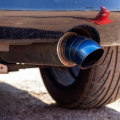
Upgrading your vehicle's exhaust system is one of the most effective ways to enhance both performance and sound. A performance exhaust system is designed to improve the flow of exhaust gases, which can lead to significant gains in horsepower and torque.By reducing backpressure, these systems allow the engine to breathe more freely, resulting in improved efficiency and power output.
Performance exhaust systems
come in various configurations, including cat-back systems, header upgrades, and high-flow catalytic converters. Each type serves a specific purpose:- Cat-Back Systems: These replace the exhaust components from the catalytic converter back to the tailpipe. They often feature larger diameter piping and less restrictive mufflers, enhancing both performance and sound.
- Headers: Upgrading to performance headers can significantly reduce backpressure by allowing exhaust gases to exit the engine more efficiently. This modification is particularly beneficial for high-revving engines.
- High-Flow Catalytic Converters: These components improve exhaust flow while still meeting emissions standards.
They are essential for maximizing performance without sacrificing legality.
Whether you're looking for increased horsepower or a more thrilling sound, an upgraded exhaust system is a key enhancement that can transform your driving experience.
Braking System Enhancements
When it comes to performance car enhancements, one of the most critical areas to focus on is the braking system. Upgrading your brakes not only enhances your vehicle's performance but also significantly improves safety. Here are some key enhancements to consider:- Performance Brake Pads: Upgrading to high-performance brake pads can greatly increase stopping power. These pads are designed to withstand higher temperatures and provide better grip, reducing brake fade during intense driving conditions.
- Slotted and Drilled Rotors: Replacing standard rotors with slotted or drilled options can enhance heat dissipation and improve overall braking performance.
These designs help prevent brake fade and maintain consistent stopping power.
- Stainless Steel Brake Lines: Switching to stainless steel brake lines can improve pedal feel and responsiveness. Unlike rubber lines, stainless steel lines do not expand under pressure, providing a firmer and more direct connection between the brake pedal and the calipers.
- Upgraded Calipers: Performance calipers can offer increased clamping force, which translates to better stopping power. Many aftermarket options come with larger pistons or multi-piston designs that distribute braking force more evenly across the rotor.
- Brake Fluid: Using high-performance brake fluid with a higher boiling point can prevent vapor lock during extreme driving conditions. This ensures that your brakes remain effective even under heavy use.
Whether you're on the track or navigating winding roads, improved stopping power is essential for maintaining control and confidence behind the wheel.
Aerodynamic Modifications
Aerodynamic modifications play a crucial role in enhancing the performance of cars, particularly in terms of speed and stability. By reducing drag and improving airflow, these enhancements can significantly impact a vehicle's handling and efficiency.Aerodynamic enhancements
can take various forms, each designed to optimize the car's interaction with air. Here are some common types:- Spoilers: These are perhaps the most recognizable aerodynamic features. Spoilers work by disrupting the airflow over the car, creating downforce that helps keep the vehicle stable at high speeds.
They can be found on both the front and rear of the car, with rear spoilers often being more prominent in performance vehicles.
- Body Kits: A body kit typically includes a combination of front and rear bumpers, side skirts, and sometimes fenders. These kits are designed not only for aesthetic appeal but also to improve aerodynamics by smoothing out airflow around the vehicle. A well-designed body kit can reduce drag and enhance downforce.
- Diffusers: Located at the rear of the car, diffusers help manage airflow as it exits from underneath the vehicle. By accelerating the air that passes through them, diffusers create a low-pressure area that increases downforce, contributing to better traction and stability during high-speed maneuvers.
- Canards: These small aerodynamic devices are typically mounted on the front bumper or fenders.
Canards help direct airflow around the car, increasing downforce on the front end and improving grip during cornering.
Electronics and Tuning Software
In the realm of performance car enhancements, electronics and tuning software play a pivotal role in maximizing a vehicle's potential. By optimizing engine performance and improving overall drivability, these technological advancements have become essential for enthusiasts looking to elevate their driving experience.ECU Tuning
The Engine Control Unit (ECU) is the brain of your vehicle, managing everything from fuel injection to ignition timing.ECU tuning involves modifying the software within this unit to enhance performance metrics such as horsepower, torque, and fuel efficiency. This process can be achieved through various methods, including:
- Reflashing: This involves rewriting the existing ECU software with a new map that optimizes performance parameters.
- Chip Tuning: In this method, a performance chip is installed to alter the ECU's settings without needing to replace the entire unit.
- Standalone ECUs: For serious modifications, enthusiasts may opt for standalone systems that allow complete control over engine management.
Performance Chips
Performance chips are another popular enhancement option. These small devices plug into the vehicle's OBD-II port and modify the signals sent to the ECU. By adjusting parameters such as air-fuel ratios and ignition timing, performance chips can significantly boost power output and throttle response.They are particularly appealing for those seeking a quick and relatively easy upgrade.
Electronic Enhancements
Beyond ECU tuning and performance chips, various electronic enhancements can further improve vehicle performance. These include:- Boost Controllers: These devices allow drivers to adjust turbocharger boost levels for increased power.
- Data Loggers: By monitoring real-time data from the vehicle, these tools help identify areas for improvement and fine-tune performance settings.
- Tuning Software: Programs like HP Tuners or Cobb Accessport enable users to customize their vehicle's performance settings directly from their computers.
Common FAQs about Performance Car Enhancements
When it comes to performance car enhancements, enthusiasts often have a myriad of questions. Below are some of the most common queries regarding car modifications and tuning.What are the most popular performance car enhancements?
Some of the most sought-after enhancements include:- Engine Tuning: Adjusting the engine's parameters for improved power and efficiency.
- Exhaust Systems: Upgrading to a high-performance exhaust can enhance sound and reduce back pressure.
- Suspension Upgrades: Improved suspension systems can enhance handling and ride quality.
- Forced Induction: Adding turbochargers or superchargers can significantly boost horsepower.
- Brake Upgrades: High-performance brake pads and rotors improve stopping power and safety.
Are performance enhancements legal?
The legality of performance car enhancements varies by state and country.It's crucial to check local regulations regarding emissions and noise levels before making modifications. Some enhancements may require additional inspections or certifications.
How do I choose the right modifications for my car?
Selecting the right modifications depends on your goals, whether it's increased speed, better handling, or improved aesthetics. Consider factors such as:- Your budget for modifications.
- The intended use of the vehicle (daily driving vs. track use).
- The compatibility of parts with your specific make and model.
Will performance enhancements void my warranty?
Many manufacturers have policies that state modifications can void warranties, particularly if they lead to damage.It's advisable to consult your dealer or review your warranty terms before proceeding with any significant changes.In summary, understanding the various aspects of performance car enhancements can help you make informed decisions that align with your automotive goals while ensuring compliance with legal standards.
Conclusion: The Future of Performance Car Enhancements
As we conclude our exploration of performance car enhancements, it is essential to reflect on the key points discussed and consider the future of this dynamic field. Throughout the article, we have examined various types of enhancements, including engine modifications, suspension upgrades, and aerodynamic improvements. Each of these enhancements plays a crucial role in elevating a vehicle's performance, providing enthusiasts with the tools to tailor their driving experience.Looking ahead, the landscape of performance car enhancements is poised for significant evolution. With advancements in technology, we can expect to see a rise in electric performance vehicles that challenge traditional notions of speed and power.Innovations such as regenerative braking systems and lightweight materials will not only enhance performance but also promote sustainability within the automotive industry.Moreover, the integration of smart technology into vehicles is set to revolutionize how enhancements are implemented. Features like adaptive suspension systems and real-time performance monitoring will allow drivers to optimize their vehicles on-the-fly, making performance adjustments based on driving conditions and personal preferences.In summary, the future of performance car enhancements is bright and filled with potential. As technology continues to advance, car enthusiasts will have access to increasingly sophisticated tools that not only enhance speed and handling but also contribute to a more sustainable automotive future. Embracing these changes will be key for those looking to stay at the forefront of performance driving.