Aerodynamics plays a crucial role in the realm of performance car enhancements, serving as a fundamental aspect that influences not only speed but also handling and fuel efficiency. As cars are designed to cut through the air more effectively, understanding the principles of aerodynamics becomes essential for manufacturers and enthusiasts alike. The shape of a vehicle, its components, and even the materials used can significantly impact how air flows around it, ultimately affecting its overall performance on the road. In high-performance vehicles, every detail matters. A well-designed aerodynamic profile can reduce drag, allowing cars to achieve higher speeds with less effort.
This reduction in drag is not just about going faster; it also enhances stability at high speeds, which is vital for maintaining control during sharp turns or sudden maneuvers. Furthermore, improved aerodynamics can lead to better fuel efficiency, making it a key consideration for those looking to enhance their vehicle's performance without sacrificing economy. As we delve deeper into the world of performance cars, it becomes clear that aerodynamics is not merely an afterthought but a critical component of engineering excellence. From spoilers and diffusers to streamlined body shapes, each enhancement serves a purpose in optimizing airflow and maximizing performance. Understanding these elements will provide valuable insights into how aerodynamics can transform an ordinary vehicle into an extraordinary machine.
How Aerodynamics Affects Performance
Aerodynamics plays a crucial role in performance car enhancements, significantly influencing how a vehicle interacts with the air as it moves.Understanding the principles of aerodynamic drag, lift, and downforce is essential for optimizing a car's performance, especially at high speeds.
Aerodynamic drag
refers to the resistance a car faces as it travels through the air. This force opposes the vehicle's motion and can greatly affect fuel efficiency and top speed. By reducing drag, manufacturers can enhance acceleration and overall performance. Techniques such as streamlining the body shape, using smooth surfaces, and incorporating air dams are common methods to minimize drag.Lift
is another critical factor in aerodynamics.While lift is generally associated with aircraft, in the context of cars, it can be detrimental. Excessive lift can cause a vehicle to lose traction, especially at high speeds. Performance cars are designed to counteract lift through various aerodynamic features that help keep the car grounded.
Downforce
, on the other hand, is a beneficial aerodynamic effect that increases a car's grip on the road. By generating downforce, vehicles can maintain better traction during cornering and high-speed maneuvers.This is achieved through elements like spoilers, diffusers, and specially designed body shapes that direct airflow to create downward pressure.The impact of these aerodynamic factors on performance cannot be overstated. A well-designed aerodynamic profile not only enhances speed but also improves stability and handling. As a result, performance car enhancements often focus on optimizing these aerodynamic characteristics to achieve superior driving dynamics.In summary, understanding how aerodynamics affects performance is vital for anyone interested in performance car enhancements. By effectively managing drag, lift, and downforce, manufacturers can create vehicles that not only perform better but also provide a safer and more exhilarating driving experience.
Key Aerodynamic Features in Performance Car Design
Aerodynamics plays a crucial role in the design of performance cars, significantly influencing their speed, stability, and overall handling.Several key aerodynamic features are commonly integrated into these vehicles to enhance their performance.
- Spoilers: Spoilers are designed to disrupt airflow over the car's body, reducing lift and increasing downforce. This downforce is essential for maintaining traction at high speeds, allowing the car to corner more effectively. Performance cars often feature adjustable spoilers that can be modified based on driving conditions, providing optimal aerodynamic efficiency.
- Diffusers: Located at the rear of the vehicle, diffusers work by accelerating airflow underneath the car. This acceleration creates a low-pressure area that helps to suck the car down onto the road, enhancing grip and stability.
A well-designed diffuser can significantly improve a car's aerodynamic efficiency, especially at high speeds.
- Air Intakes: Strategic placement of air intakes is vital for cooling the engine and improving performance. These intakes are designed to channel air efficiently into the engine compartment while minimizing drag. Performance cars often utilize larger or more strategically positioned intakes to ensure optimal airflow, which can lead to increased horsepower and better engine performance.
- Side Skirts: Side skirts help manage airflow along the sides of the vehicle, reducing turbulence and drag. By smoothing out the airflow around the wheels and undercarriage, side skirts contribute to improved aerodynamic efficiency and stability during high-speed maneuvers.
As automotive technology continues to evolve, the integration of advanced aerodynamics will remain a key focus for manufacturers aiming to push the limits of performance.
The Role of Computational Fluid Dynamics (CFD) in Car Development
In the realm of performance car enhancements, the application of Computational Fluid Dynamics (CFD) has revolutionized the way engineers approach car development. CFD is a sophisticated simulation tool that allows automotive designers to visualize and analyze airflow around a vehicle, providing critical insights into its aerodynamic properties.By utilizing CFD, engineers can create detailed models of a car's exterior and simulate how air interacts with its surfaces at various speeds. This process enables them to identify areas of high drag and lift, which are crucial for optimizing performance. The ability to conduct these simulations before building physical prototypes not only saves time but also significantly reduces costs associated with traditional wind tunnel testing.Some key benefits of using CFD in automotive design include:- Enhanced Aerodynamic Efficiency: CFD helps in refining shapes and contours to minimize drag, leading to improved fuel efficiency and higher top speeds.
- Design Flexibility: Engineers can experiment with multiple design variations quickly, allowing for rapid iteration and innovation.
- Performance Prediction: Accurate simulations provide reliable data on how a vehicle will perform under different conditions, aiding in better decision-making.
- Integration with Other Technologies: CFD can be combined with other engineering tools, such as Finite Element Analysis (FEA), to assess structural integrity alongside aerodynamic performance.
As manufacturers strive for higher performance and efficiency, the role of CFD will continue to grow, making it an indispensable tool in the quest for the ultimate performance car.
Real-World Examples of Aerodynamic Enhancements in Performance Cars
Aerodynamic enhancements have become a cornerstone in the design and performance of modern performance cars. Several manufacturers have successfully integrated these principles, leading to significant improvements in speed, handling, and fuel efficiency. Below are notable case studies that exemplify the impact of aerodynamic enhancements on performance vehicles.1.McLaren P1
The McLaren P1 is a prime example of how active aerodynamics can enhance performance. This hypercar features adjustable front and rear wings that adapt based on speed and driving conditions.At high speeds, the rear wing tilts to increase downforce, improving stability and cornering capabilities. The result is a vehicle that can achieve a top speed of 217 mph while maintaining exceptional handling.
2.Porsche 911 GT3 RS
The Porsche 911 GT3 RS showcases the importance of fixed aerodynamic elements. Its large rear wing and front splitter are designed to maximize downforce without compromising drag. This model has been tested on racetracks, demonstrating that its aerodynamic design allows for faster lap times compared to its predecessors, thanks to improved grip and cornering stability.3.Ford GT
The Ford GT employs a combination of passive and active aerodynamic features.Its sleek body shape reduces drag, while the adjustable rear spoiler provides additional downforce when needed. During testing, the Ford GT achieved a remarkable balance between speed and control, proving that effective aerodynamics can lead to enhanced overall performance.
4.Tesla Model S Plaid
Even electric vehicles like the Tesla Model S Plaid benefit from aerodynamic enhancements. The car's low drag coefficient is achieved through its streamlined design and active air suspension system, which lowers the vehicle at high speeds. This results in improved range and acceleration, showcasing how aerodynamics plays a crucial role in electric performance cars.In conclusion, these case studies illustrate that aerodynamic enhancements are not merely aesthetic but are integral to achieving superior performance metrics in modern vehicles.As technology advances, we can expect even more innovative applications of aerodynamics in the realm of performance car enhancements.
Aerodynamics vs. Other Performance Enhancements
When it comes to performance car enhancements, enthusiasts often find themselves weighing the benefits of aerodynamics against other popular modifications such as engine tuning and suspension upgrades. Each of these enhancements plays a crucial role in improving a vehicle's overall performance, but they do so in different ways.Aerodynamics vs. Engine Tuning
Aerodynamic enhancements, such as spoilers, diffusers, and streamlined body kits, primarily focus on reducing drag and increasing downforce.This results in improved stability at high speeds and better fuel efficiency. In contrast, engine tuning involves modifying the engine's performance parameters to increase horsepower and torque. While engine tuning can significantly boost acceleration and top speed, it may not address the vehicle's handling characteristics at those speeds.
Aerodynamics vs. Suspension Upgrades
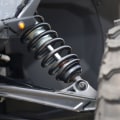
Suspension upgrades, including stiffer springs and adjustable dampers, enhance a car's handling by improving grip and cornering capabilities.However, without proper aerodynamic modifications, a car may still struggle with stability at high speeds. For instance, a vehicle with a powerful engine and upgraded suspension can still experience lift at high velocities if it lacks adequate downforce from aerodynamic features.
The Importance of a Balanced Approach
Ultimately, the most effective performance car enhancements come from a balanced approach that integrates all three aspects: aerodynamics, engine tuning, and suspension upgrades. By considering how these elements interact, car enthusiasts can create a vehicle that not only accelerates quickly but also handles well and remains stable at high speeds.In conclusion, while each type of enhancement offers unique benefits, understanding their interplay is essential for achieving optimal performance. A well-rounded strategy that includes aerodynamic improvements alongside engine and suspension modifications will yield the best results for any performance-oriented vehicle.Future Trends in Aerodynamics for Performance Cars
As the automotive industry evolves, future trends in aerodynamics are set to play a pivotal role in enhancing the performance of cars, particularly with the rise of electric vehicles (EVs).Innovations in car design are increasingly focusing on optimizing aerodynamic efficiency to improve range, speed, and overall performance.One significant trend is the integration of active aerodynamics. This technology allows components such as spoilers and air intakes to adjust dynamically based on driving conditions. For instance, at high speeds, a rear spoiler may extend to increase downforce, while at lower speeds, it retracts to reduce drag. This adaptability not only enhances performance but also contributes to energy efficiency, which is crucial for electric vehicles.Another area of innovation is the use of advanced materials.
Lightweight composites and smart materials are being developed to reduce weight without compromising structural integrity. These materials can be designed to change shape or stiffness in response to environmental conditions, further enhancing aerodynamic performance.
- Computational Fluid Dynamics (CFD): The use of CFD simulations is becoming more prevalent in the design phase, allowing engineers to visualize airflow around vehicles and make informed decisions that enhance aerodynamics.
- Streamlined Shapes: Future performance cars are likely to feature even more streamlined shapes that minimize drag. This includes smoother body lines and integrated components that reduce turbulence.
- Electric Vehicle Design: As EVs become more mainstream, their design will increasingly prioritize aerodynamics. Features like enclosed wheels and underbody panels will help improve airflow and reduce drag coefficients.
As manufacturers continue to explore these advancements, we can expect a new generation of vehicles that not only perform better but also align with sustainability goals.
FAQs About Aerodynamics and Performance Car Enhancements
When it comes to performance car enhancements, understanding aerodynamics is crucial. Here are some frequently asked questions that can help clarify its role:What is aerodynamics in the context of performance cars?
Aerodynamics refers to how air interacts with a moving vehicle. In performance cars, optimizing aerodynamic efficiency can significantly enhance speed, stability, and fuel efficiency. This involves designing the car's shape to minimize drag and maximize downforce.How does aerodynamics affect a car's speed?
The shape of a car influences its drag coefficient, which is a measure of how easily it can move through air.A lower drag coefficient means less air resistance, allowing the car to achieve higher speeds more efficiently. Performance enhancements often include streamlined designs and features like spoilers and diffusers that improve airflow.
Can aerodynamics improve handling?
Yes, effective aerodynamic designs can enhance a car's handling by increasing downforce. This force pushes the car down onto the road, improving tire grip and stability during high-speed maneuvers. Features such as front splitters and rear wings are commonly used to achieve this effect.Are there any misconceptions about aerodynamics?
- Myth: Aerodynamics only matters at high speeds.
- Fact: While its effects are more pronounced at higher speeds, good aerodynamic design can improve performance even at lower speeds.
- Myth: Only race cars need aerodynamic enhancements.
- Fact: Any performance vehicle can benefit from aerodynamic improvements, enhancing both everyday driving and competitive racing.
What are some common aerodynamic enhancements for performance cars?
- Spoilers: Help manage airflow over the vehicle.
- Diffusers: Increase downforce by accelerating airflow underneath the car.
- Aero Kits: Comprehensive packages that include various aerodynamic components designed to work together.